1 Answers 2016-02-20
Excuse my inquisitiveness. According to my professors and from hearsays, Philippines is a country rich in resources, so rich that if it were to trade its resources we would be able to pay our debt of rougly 6 trillion five or ten times. Flashback to 16th-18th century, I remember being taught we exported Manila Hemp and by-products of the Indigo plant to wealthy western countries. A lot of indios also planted cash crops for income. However, our professors only present/tell us students statistics and I have difficulty believing statistics. So I need more proof from other literature suggesting that Philippines was a rich country during 16th-19th century.
1 Answers 2016-02-20
[deleted]
1 Answers 2016-02-20
I read a crappy business book citing the House of Orange as "branding" carrots. Don't ask, it was a terrible book. After doing a bit of googling, it seems there's a widespread understanding of a connection between the orangification of carrots and the House of Orange, but not a lot of hard evidence.
So why, exactly, did orange carrots catch on to such an extent? Surely someone outside of Holland wanted to continue growing purple carrots?
1 Answers 2016-02-20
2 Answers 2016-02-20
Any help would be greatly appreciated!
1 Answers 2016-02-20
When we hear about African Americans being lynched, people usually point out the fear of the sexual black man or the need to keep the large population politically inactive.
When we hear about Chinese being lynched, we usually think about economic issues.
Are there any works pointing to motives for lynching Jews or Italians.
1 Answers 2016-02-20
I've really enjoyed the book but a couple of her assertions didn't sit right and this in particular seemed honestly kind of absurd. Someone who could address this would be very much appreciated. Also, just as kind of a side thing, what's the current thought on this book? I know it was pretty influential back in the day and I've liked a lot of it but it does definitely date itself at times
3 Answers 2016-02-20
We all know about the horrors of the gas chambers, but not a lot of people think about what occupied the prisoners' time in the camps, or their day to day schedule (if there was one?). What was the day-to-day life like for those in Nazi concentration camps?
1 Answers 2016-02-20
I'm interested in the actions of the different government administrations and political parties (Nazis, DKP, the social-democrats) and everything in between.
And books too if you know of any. Thanks!
1 Answers 2016-02-20
Post World War II did the USSR have their own version of Us/Them/Uninvolved? I can't imagine them adopting "second world" to describe their own countries.
1 Answers 2016-02-20
I've found almost nothing on google, but the information has to be out there, right? Glass doesn't just rot away over centuries; it's basically a rock, if a brittle one.
3 Answers 2016-02-20
The use of poison/mustard gas is synonymous with the trenches of World War I, where it was deathly and horrifyingly effective. Why does it seem to not have been as effective or prominent on the fronts of the second world war? Technology obviously had advanced to where other innovative weapons were being used and trenches were not as ubiquitous, but was there some rule of war that opposed either side using it again?
1 Answers 2016-02-20
A lot of countries have attempted to eliminate minority languages in favor of the language spoken by the elite, but some were more successful than others. For example, Breton, Occitan, Provençal, Cornish, and pre-Islamic languages in northern Africa have died out or nearly died out, and Irish, Scottish Gaelic, Welsh, and a lot of Native American languages are only still spoken in small areas. On the other hand, Quebec French, Catalan, and the various languages spoken in the Ottoman-ruled parts of the Balkans are still going strong even though their respective governments tried to assimilate them into the majority language. What factors have generally determined whether a government successfully assimilates minority language groups or whether the minority languages survive?
1 Answers 2016-02-20
2 Answers 2016-02-20
i always hear people refer to the first world war as a 'modern' war?
wouldn't this not be true - no nuclear weapons, not based on religious/political movements as most conflicts are today, and not backed by international organizations - while modern conflicts today are often supported by NATO, the EU, etc.
i guess simply because of the introduction of tanks, automatic and chemical weapons?
3 Answers 2016-02-20
2 Answers 2016-02-20
2 Answers 2016-02-19
Would the cities have been just administrative centres or pilgrimage sites? Were they the homes of artisans and weavers? How big were they in terms of population?
1 Answers 2016-02-19
6 Answers 2016-02-19
1 Answers 2016-02-19
Please forgive me, this is a re-post from 2 years prior that got no answers. I hope that's not against the rules!
I can't find anything about how the vote split, or whether it was close. In fact, most of what I can tell is that most of Northern Ireland had voted in 1918 for the Unionist party. So was it close? Why or why not?
2 Answers 2016-02-19
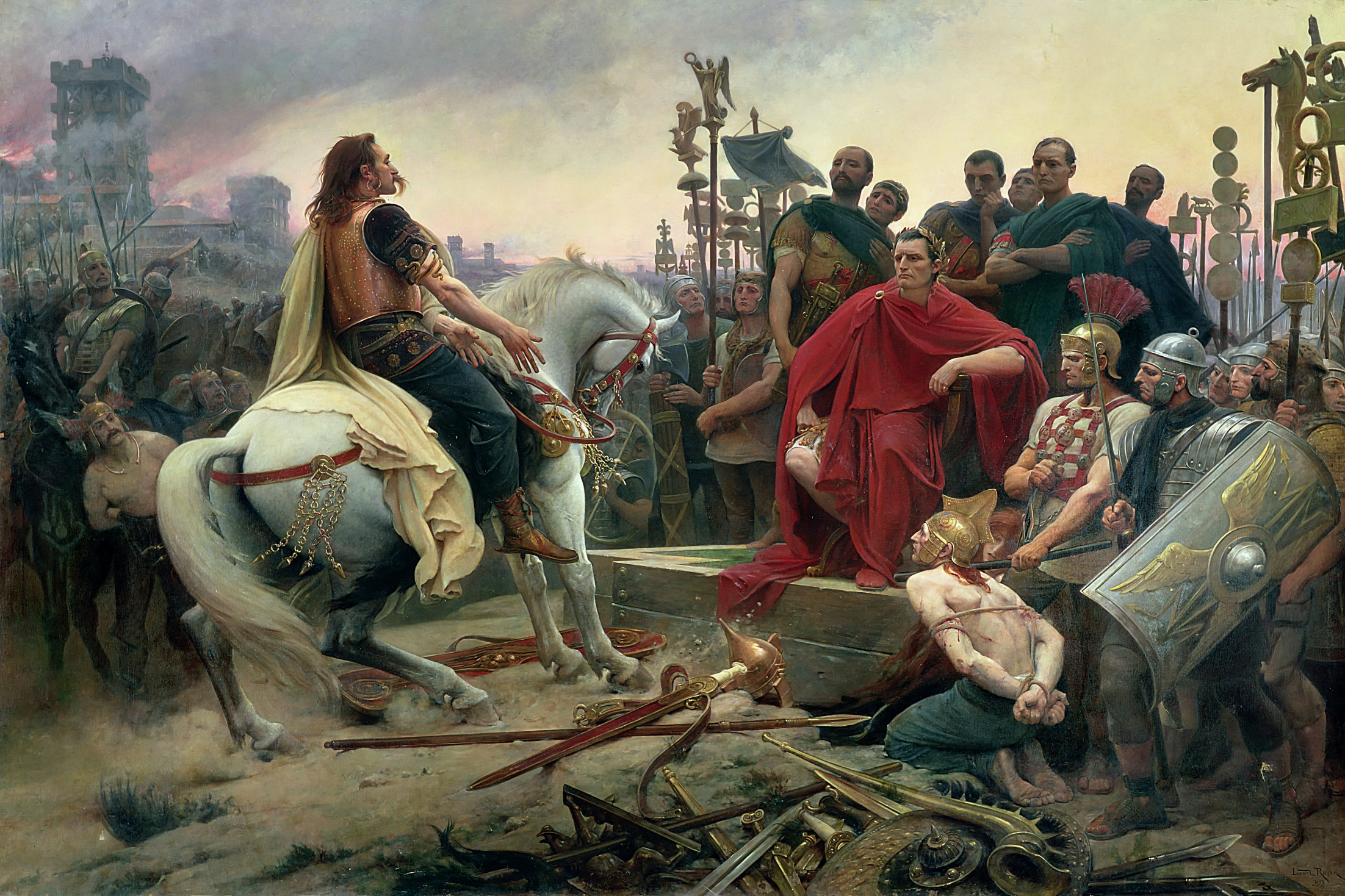
In the days of Byron the dying Celt statue was referred to, for some reason, as a dying gladiator. What made us realize (or presume?) that it is a Celt and that the "Celts", in general, were much like what we nowadays get to see in the media?
example:
19th century French painting: 1, 2
20th century comic books: 1, 2
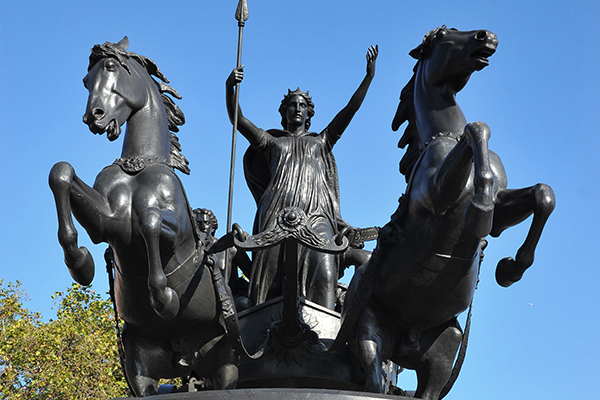
Boudiccea as pictured by the Americans in 21st century
And compare that to Boudiccea as pictured by 19th century or 18th century Brits.
Have real life celts really dressed like our current idea of them, from Britain to Galatia, or is it just a popular culture thing, like the Peplum cinema Romans analyzed by Roland Barthes in his Mythologies?
yes, i've asked that before but with 0 success.
1 Answers 2016-02-19
1 Answers 2016-02-19