I have a question about the events of the Battle of Midway in WW2. I remember reading an account of the battle in a fictional What If? book that attempts to describe alternate history. Anyway, I remember reading about the actual battle having turned by the arrival of a "lost squadron" of dive bombers that sank several Japanese ships. Can somebody provide more detail of the battle and if this squadron of bombers actually turned the tide?
1 Answers 2016-02-01
I've been looking into this subject as I am keen to try and write up a small piece on this. And if people are generous enough to point me in the direction of in depth and reputable sources of information so I can learn more deeply myself I would be grateful.
To clarify with this question, I'm not talking about the Macedonian invasion or the internal intrigue and poisonings that took place in the last years of the empire.
I'm asking why did the Empire go from an expansive and seemingly prosperous realm that almost contained 40% of the world's population to an Empire with corrupt officials, an inability to organise properly against invasion and what seems to be a flagging economy.
1 Answers 2016-02-01
Did the word finally get out that no-one was getting rich?
Been reading about it and it seems like an insane time in American history that was glossed over in school. Literally thousands of people arriving in some cities over just a few days based on hype in the press?
1 Answers 2016-02-01
If you weren't an elector or a free imperial city or a bishopric of any kind, what was the point? Were there any benefits at all?
I heard there were many princes... what was their role?
1 Answers 2016-02-01
1 Answers 2016-02-01
Specifically, in the American colonies, why wasn't there the "Duke of New York" or "Earl of Lancaster" or any such? Instead there were Governors.
1 Answers 2016-02-01
Hi guys! I'm currently reading a French translation of the Song of Roland. The first verse has the following line in it:
Li reis Marsilies la tient, ki Deu nen aimet ;
Mahummet sert e Apollin reclaimet.
The modern French translation renders this as:
The king Marsile holds it, Marsile who does not love God ;
Who serves Mohammed and prays to Apollo
Can someone explain this line to me? Further on in the poem, Marsile is called a Saracen several times over, yet he is consistently referred to as a pagan, not a Muslim.
Did Christians at the time believe that the invasions in the Iberian peninsula were carried out by pagans? Were they suspected of worshipping Hellenistic gods? If not, what does this line mean? What would a contemporary Christian think upon hearing that someone served Mohammed and prayed to Apollo?
1 Answers 2016-02-01
Around the Ming or Qing dynasty, but any other period is welcome, too.
1 Answers 2016-02-01
I'm basing the question off of this map (https://upload.wikimedia.org/wikipedia/commons/thumb/4/44/Madhhab_Map3.png/800px-Madhhab_Map3.png) just by the way.
1 Answers 2016-02-01
1 Answers 2016-02-01
Let's say that we're talking about the time of the Tudors. As far as I know, no women were seated in the House of Lords (or of Commons) around those times.
3 Answers 2016-02-01
So, Ivan IV "The Terrible". I've heard so many things about him and his title at this point that I would like to read up on some sources on how he was called by the actual Russians during his time.
2 of the theories that I've heard:
So, can any historian help me out with this and solve this title problem?
1 Answers 2016-02-01
I've heard many stories of Viking society being both very progressive and ahead of its time, aswell as stories labeling them being savages and uncivillised raiders. How was their judical and governing system actually compared to countries like England?
I guess the time period for this would be around 900AD, but any period from the start to the end of the viking age would be great.
2 Answers 2016-02-01
I am writing a dissertation on the importance of the change in tactics that the Luftwaffe made, from bombing airfields to London. I'm discussing the importance of Radar and other factors, so it would be helpful to see what innovations were made between these periods to give fighter command the upper hand during the Battle of Britain. Thanks.
2 Answers 2016-02-01
Okay, gentlemen, the stories about the Flanders and Gallipoli and it's endless trench clashes are famous, but I'm yet to see a good illustration on Eastern Front and etc.
How was the mobile warfare in Russia, Caucasus, Middle East, Balkans etc? Napoleonic tactics were far outdated, and technology was not advanced enough to have armored divisions, advanced aircraft, and generally mechanized and motorided units like in WW2 and beyond.
So how did a battle went like? Just thousands of men found each other in forest/desert and shoot randomly? How did generals plan maneuvers and how did soldiers maintain communications with the upper command? How did generals know what kind of enemy was waiting for them?(No aerial reconnaissance like WW2, and they don't come in open formations like Napoleonic Wars)
2 Answers 2016-02-01
Something I've been confused about and figured maybe someone might have some understanding on this topic. I know the chili came from the Americas. But where did the Naga chili or Something I've been confused about and figured maybe you might have some understanding on this topic. I know peppers came from the Americas. But where did the Naga chile or Bhut Jolokia come from? I had guessed it must have originally come from the Americas but how or did it change to be so much hotter than the indigenous hot peppers? Was it transported there and changed over time, was it originally a domesticated plant in the Americas that took off in India and just died off here?
1 Answers 2016-02-01
1 Answers 2016-02-01
[deleted]
1 Answers 2016-02-01
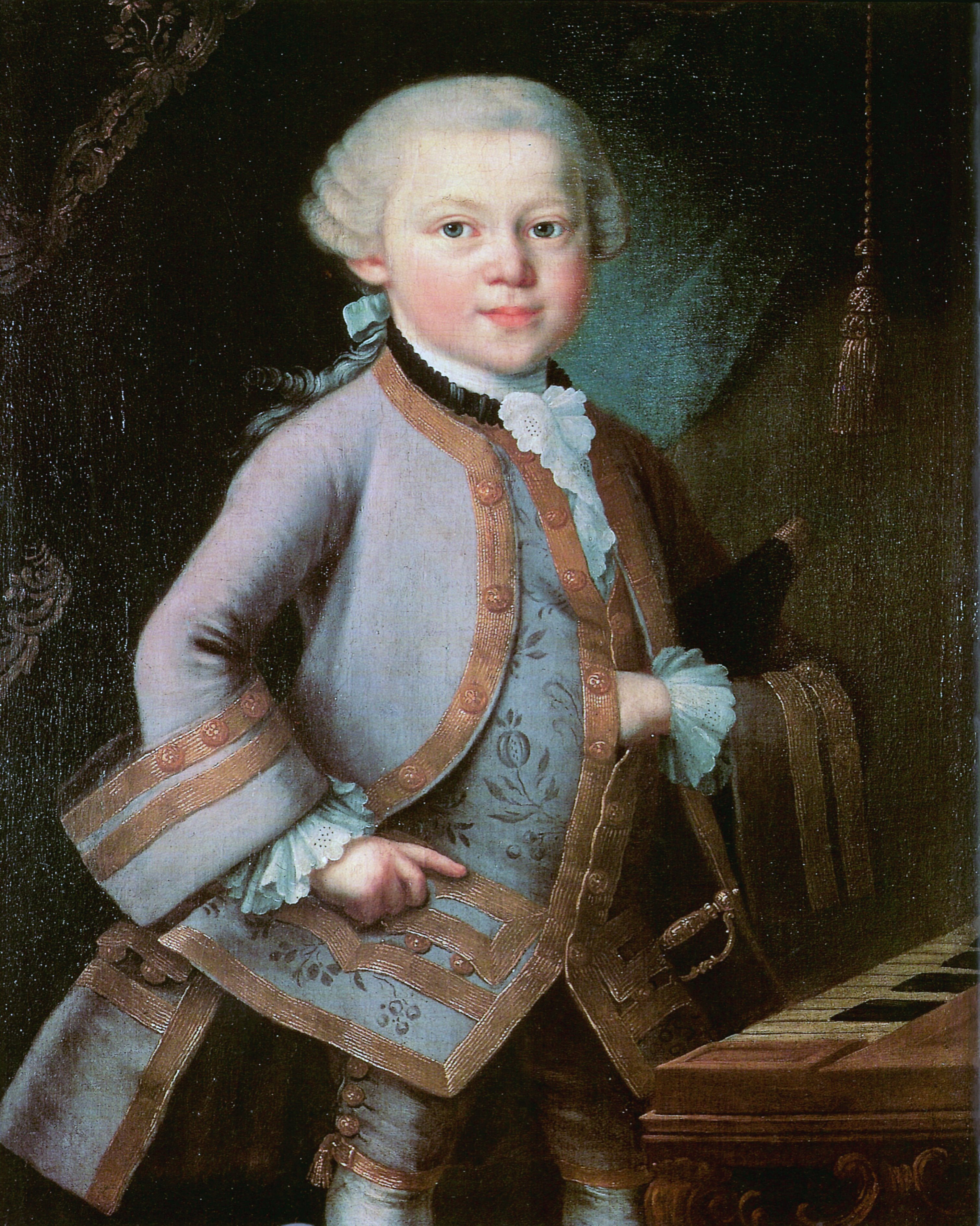
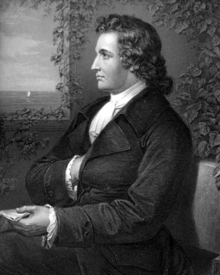
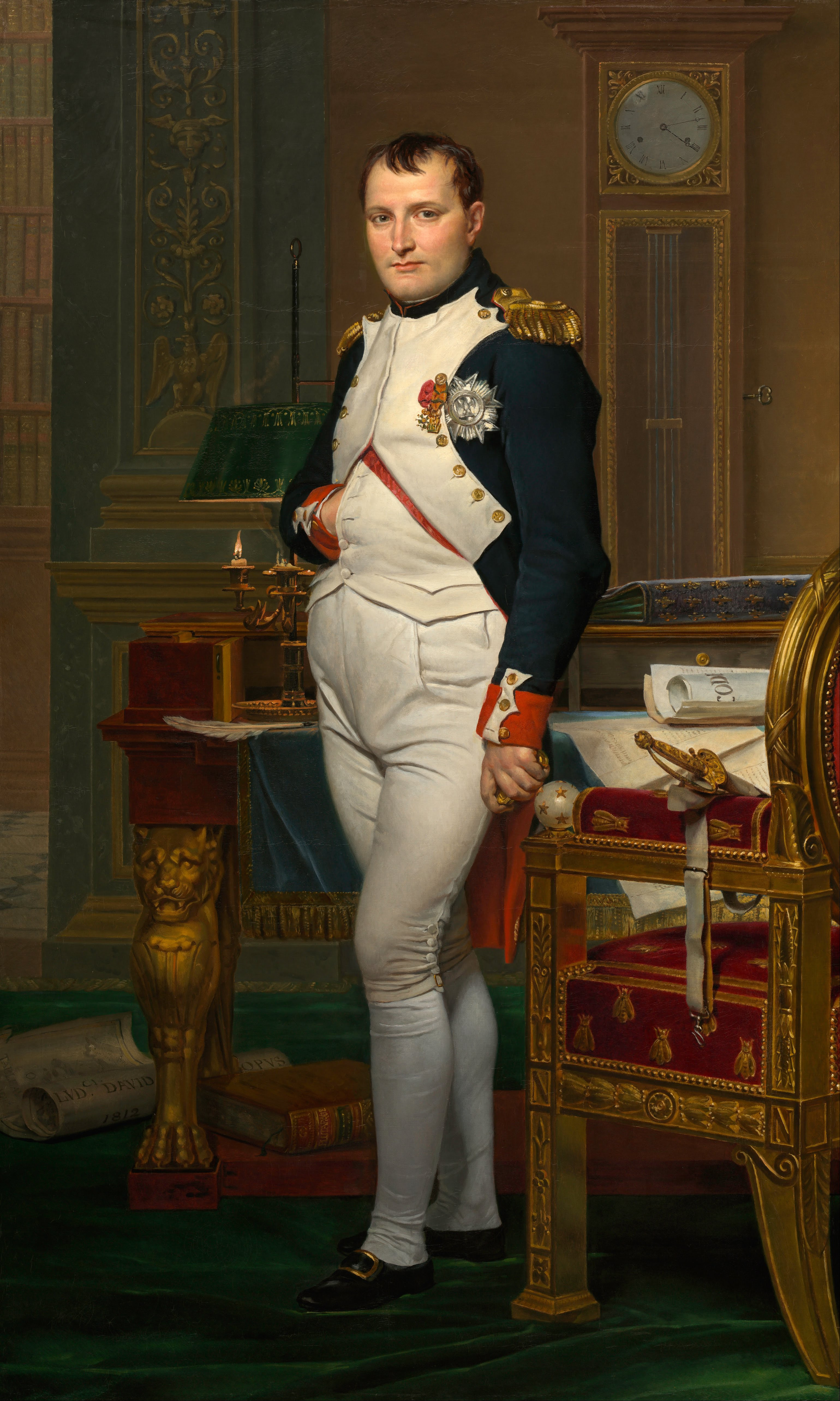
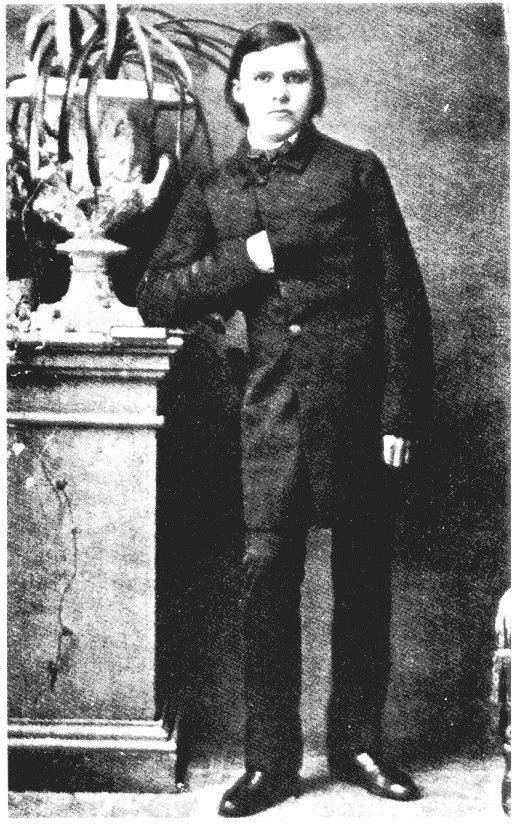
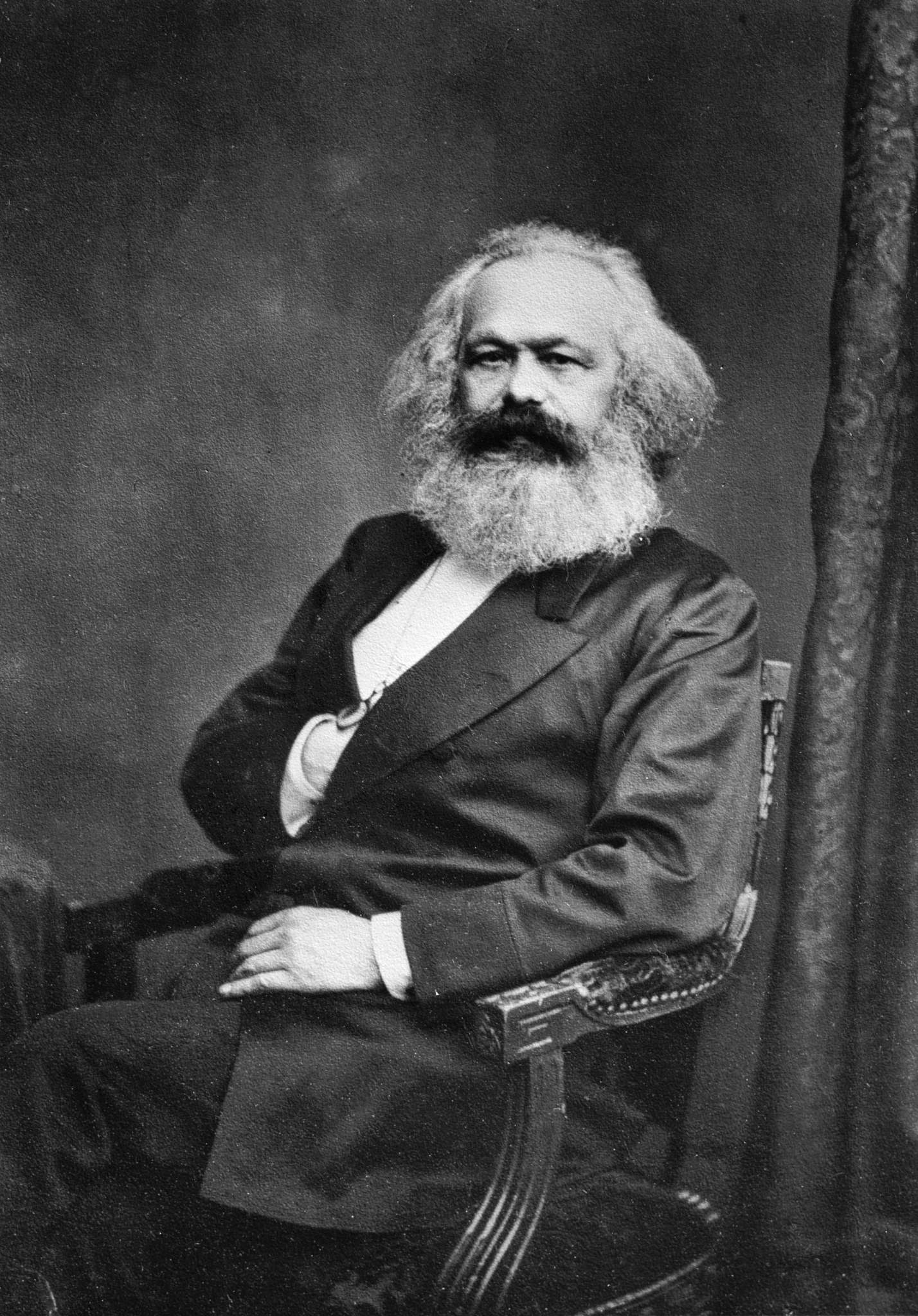
This is something that really bugs me and I have not been able to find an answer for it. This pose is typically described as the Napoleonic pose but I realized many people before and after Napoleon, with different views, did it. Why?
There's one of Chopin posing with his friends of classmates from high school as well. It seems I can't find it on google but I have the picture somewhere on my HDD.
Oh and the last one I recall to make this pose is Stalin
So yeah, why do they all have a picture of them with their hand in hidden in their costume? It would seem weird if it's a trend because not many people did it (I guess) and it goes over a long period of time. Is it suppose to mean something?
2 Answers 2016-02-01
I love watching movies that accurately depict the period they're set in to a good deal of detail, like Master and Commander or Glory. Sadly I'm having a tough time finding any good period-accurate movies beyond the 20th century, are there any gems I'm missing?
1 Answers 2016-02-01
In pictures like these both sides look pretty much identical. http://www.medievalarchives.com/wp-content/uploads/2010/08/battle_of_wakefield.jpg
https://s-media-cache-ak0.pinimg.com/736x/02/55/e7/0255e7392a77c35a11fed6e6b971ed8b.jpg
1 Answers 2016-02-01
4 Answers 2016-02-01
For the sake of brevity, I'm referring to European / Western culture.
1 Answers 2016-02-01
The Vinland colony was around for about 500 years, so someone in europe had to have already known about it by the time Columbus "discovered" the americas, so what gives? where did all those records go? it's not like vikings couldn't write.
2 Answers 2016-02-01