I came across an interesting passage written by medieval Arab scholar Al-Umari who quotes Mansa Musa about his predecessor's fate:
The ruler who preceded me did not believe that it was impossible to reach the extremity of the ocean that encircles the earth (the Atlantic Ocean). He wanted to reach that (end) and was determined to pursue his plan. So he equipped two hundred boats full of men, and many others full of gold, water and provisions sufficient for several years. He ordered the captain not to return until they had reached the other end of the ocean, or until he had exhausted the provisions and water. So they set out on their journey. They were absent for a long period, and, at last just one boat returned. When questioned the captain replied: 'O Prince, we navigated for a long period, until we saw in the midst of the ocean a great river which was flowing massively.. My boat was the last one; others were ahead of me, and they were drowned in the great whirlpool and never came out again. I sailed back to escape this current.' But the Sultan would not believe him. He ordered two thousand boats to be equipped for him and his men, and one thousand more for water and provisions. Then he conferred the regency on me for the term of his absence, and departed with his men, never to return nor to give a sign of life.
Is this story based in fact or is there no evidence of such expeditions ever taking place? The section about a great river would seem to obviously point to the Amazon.
1 Answers 2015-09-29
Was there any specific road or route or the trader and caravans could take any route they want as long as they are touching the important cities and trading posts on the route?
2 Answers 2015-09-29
And if there was such a group, what kind of criteria did they use to make those decisions?
1 Answers 2015-09-29
Basically, good works on how and why the Middle East looks like it does today and how Western colonialism helped shape it
2 Answers 2015-09-29
1 Answers 2015-09-29
Thinking of Monty Python made me think of this famous scene.
I know its supposed to be a joke, but what was Judea like before Roman rule and what did they do to develop it, if anything?
1 Answers 2015-09-29
3 Answers 2015-09-29
I'm collecting sources so that I can write a historiographic paper on how Hildegard of Bingen has been studied--as you may have guessed I have been assigned this task, and as such I do not know much at all about Hildegard. I was hoping some of you could point me in the right direction.
The only book I've managed to get my hands on so far is Hildegard: A Visionary Life by Sabina Flanagan as well as a few chapters out of Meanings of Sex Differences in the Middle Ages by Joan Cadden. I would prefer to read English but I can tackle any German language books so long as they're juicy.
2 Answers 2015-09-29
I look at how prosperous Canada and The U.S have been, but yet with all its resources, waterways, and much better climate and weather, Mexico has stayed a 3rd world country. What held back the Europeans from a full conquest.
3 Answers 2015-09-29
1 Answers 2015-09-29
Hello all. Long-time reddit/askhistorians reader, first time posting. So, I'm a senior History major and after visiting the Sgt. Alvin York home in east TN last month I've decided to write my Senior seminar paper on that subject. Here are my two questions, would love to hear you guys' thoughts on either or both: (1) First, it seems like every major question about York has already been answered. He was a pretty simple man so there wasn't a lot of mystery. Can you think of any questions that maybe the history community so far has relatively neglected to explore about York and his life; questions that I could explore to hopefully add something original to the conversation? (2) Obviously, a senior seminar paper requires scholarly sources including secondary. Problem with York is, almost everything that was written about him was primary/eyewitness, and almost everything that has been written is popular history, not really academic. Any ideas on places I could look? Thanks, y'all!
1 Answers 2015-09-29
How did their language eventually come to lose its Germanic roots and become a Romance language? Why didn't this occur to tribes east of the Rhine?
2 Answers 2015-09-29
I remember reading somewhere that if the redcoats had used the longbow that they would have won the War of Independence. If so, why did we (albeit gradually) transition to the slower and less accurate musket?
2 Answers 2015-09-29
Previous weeks' Tuesday Trivias and the complete upcoming schedule.
Today’s trivia comes to us from /u/The_White_Lotus! As well as general subreddit Zeitgeist.
Please share whatever information you’d like about mass movements of people in history, any time or place you’d like. You can talk about why some groups migrated, how these migrations were logistically dealt with in their own time, or what influences they’ve had on history.
Next week on Tuesday Trivia: We’ll be talking about lies and cheats from kings, queens, and politicians, the pettier the better!
1 Answers 2015-09-29
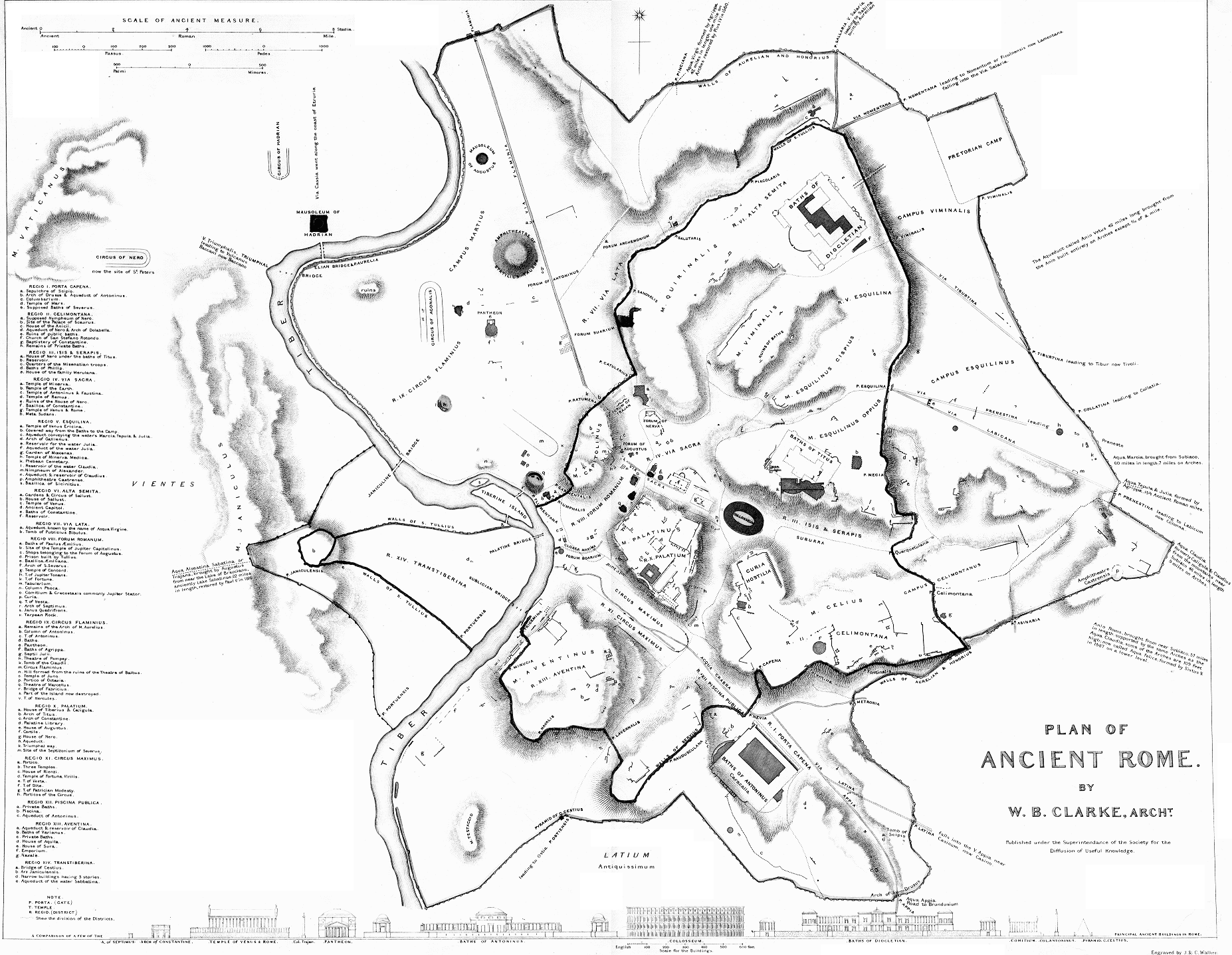
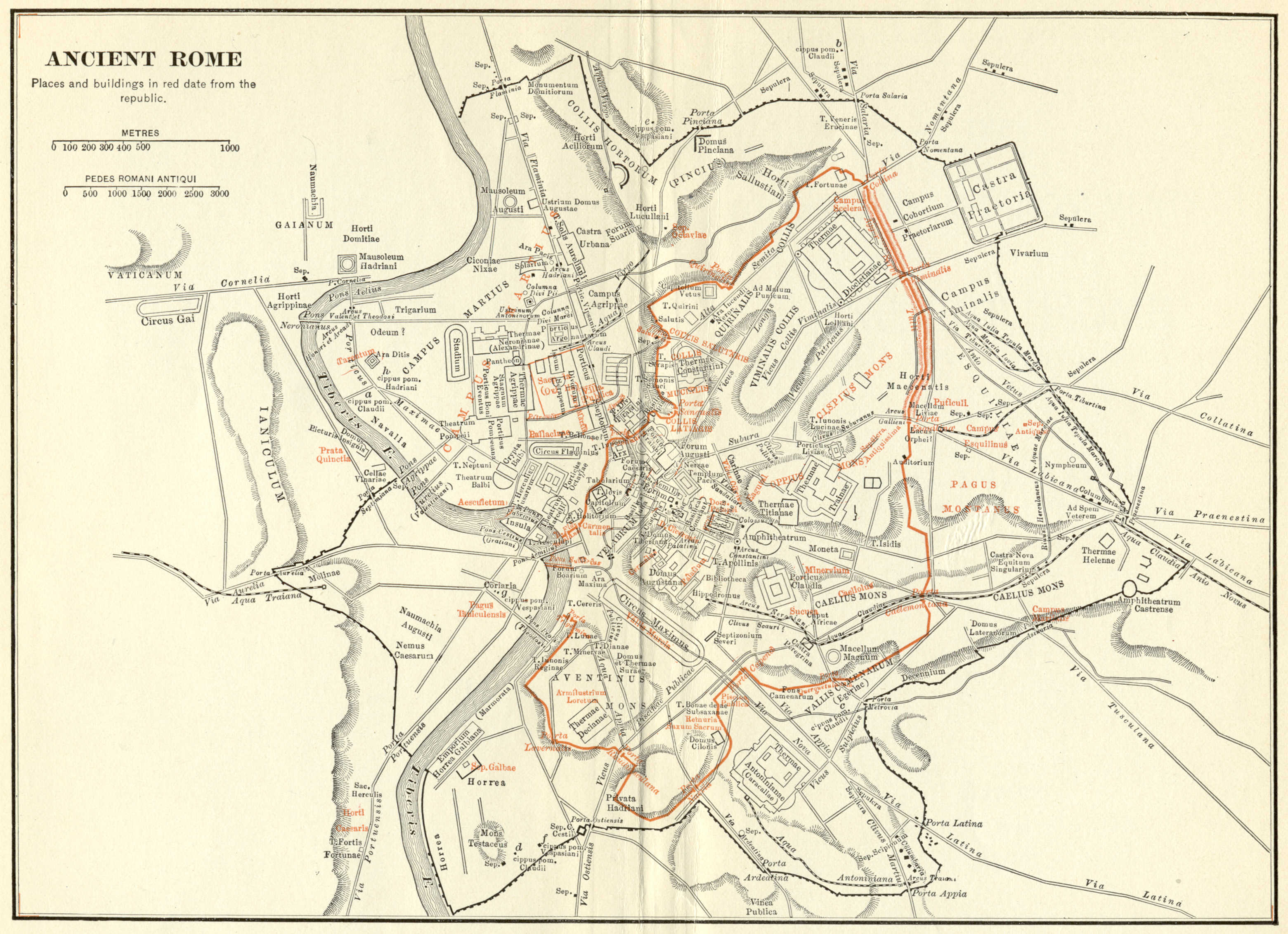
I'm reading Colleen McCullough's Masters of Rome series, and the maps in the books are microscopic. I'm looking for diagrams of Rome circa 100-50 BCE, and various regions of the Italian peninsula, Asia Minor and both near and further Gaul. Finding detailed maps online has been surprisingly difficult. Any suggestions?
Some examples of what I've found so far:
http://exurbe.com/wp-content/uploads/2013/08/rome.gif
http://catholic-resources.org/AncientRome/Platner-ancient_rome-96.jpg
1 Answers 2015-09-29
I realize this is a broad question which likely doesn't have one answer, but I find myself interested in hearing more about it and thought it might result in some interesting discussion. Didn't see it in the popular questions list and don't remember seeing it discussed before, so hopefully it's all right to ask!
2 Answers 2015-09-29
I realized that this sounds somewhat conspiratorial, but I am curious if we have any first hand roman documents or artwork that support the narrative of Christ that is commonly accepted today
2 Answers 2015-09-29
In the irish folk song "Whiskey in the Jar" the narrator once "produces his pistol and his rapier" as if they were standard equipment, but I thought that rapiers were made for dealing with plate armour suits and that those were largerly obsolete by the time pistols were common.
2 Answers 2015-09-29
[deleted]
4 Answers 2015-09-29
Plenty of American soldiers must have had their own weapons and sidearms back at home, heading of far overseas a family would probably want to give him the best gear they could.
4 Answers 2015-09-29
Holocaust revisionism is something I have heard mentioned a few times and my knee-jerk reaction is to see it as Holocaust Denial. However, it was described to me as an attempt to find the truth of the Holocaust and to stop it being taboo to find things or research against accepted history.
This was described to me by someone very interested in WWII and the Holocaust and usually of a sound moral compass, which led me to give them the benefit of the doubt and seek your help.
2 Answers 2015-09-29
3 Answers 2015-09-29
The only sources I've found so far are:
However by contrast:
So both of these can't be true. Then:
There seems to be more stuff online about the 18th century than before. Perhaps there's more data available from this period.
1 Answers 2015-09-29