Just want to see what modern medieval studies has to say to it.
3 Answers 2015-04-13
We are all familiar of the constantly repeated complaint that newer generations are worse and from time to time, I came across this phenomenon in older works, but I am curious as to what the first recorded example of that phrade is
1 Answers 2015-04-13
Did Hannibal have a qualitative advantage over the Romans? Was the average soldier in Hannibal's army much better individually than the average roman soldier?
1 Answers 2015-04-13
I know that many officers in the war had gained experience fighting in other European wars, namely in Holland and Germany, but why did the New Model Army seem to "modernize" more than the Royalists?
2 Answers 2015-04-13
Several months ago a reenactor I was speaking with made the claim that certain Native Americans (specifically, a group living around TN) made straight spear shafts by hanging cut, green saplings from a tree with weights tied onto them to pull them straighter as they dried. Has anyone read of this, or something similar?
I'd also be interested if you've heard of a non-American group doing something like this; I'm trying to interpret some early medieval archaeological finds, and would be happy to know of any documented methods used by non-western people who still use spears to straighten sapplings into shafts. But I'm asking specifically about Native American, since that's the lead I'm chasing at the moment.
I'm already familiar with the rural English tradition of using steam or fire to straighten sapplings into walking sticks.
1 Answers 2015-04-13
1 Answers 2015-04-13
1 Answers 2015-04-13
2 Answers 2015-04-13
And just in general
1 Answers 2015-04-13
I searched the internet and Dio's source, but I can't find out how the Romans transported the elephants to Britannia. They must've used boats, but how do they load elephants onto boats, and what kinds of boats could support that weight? And are we supposed to believe that these elephants were brought from Africa all the way up through Europe to Britannia? Is there any other evidence that elephants were brought to Britannia?
The English Channel, at its shortest point, is about 21 miles. Hannibal brought his elephants over the Strait of Gibraltar, which is under 8 miles at its shortest point.
3 Answers 2015-04-13
Or was the need to secure titles and lands considered more important than increasing degradation of their family?
Obviously they didn't know about genetics. but this has been a somewhat common practice and did the families realise that the ongoing increase and severity of deformity and disease was the result of intermarriage?
7 Answers 2015-04-13
I can imagine that opinions varied widely, but is it possible to say how much of the collective argument against slavery was moral? Or was the North largely protecting economic interests of their various industries, as well as catering to the votes of white farms on small farms, that they felt were threatened by a slave-holding economy?
1 Answers 2015-04-13
Is it selection bias, in that well planned expeditions with good logistics, and adequately trained members doing their job well doesn't make for a good story?
Early European history in Australia is littered with tales of groups taking grandfather clocks and sailboats to explore the inland but being forced to end things when a wagon loses a wheel and they realise they have neither the tools to replace it, nor a spare wheel. Many of the failed attempts seem to have lacked basic survival necessities, what was the cause of this?
2 Answers 2015-04-13
In some old norse myths the gods sometimes ski, and Thor is sometimes described as being a good skiier. Did the vikings actually use skis, or is it a later addition?
1 Answers 2015-04-13
Assuming music wasn't first; in which case the inverse question applies.
edit: Xposted to /r/askanthropology here
2 Answers 2015-04-13
1 Answers 2015-04-13
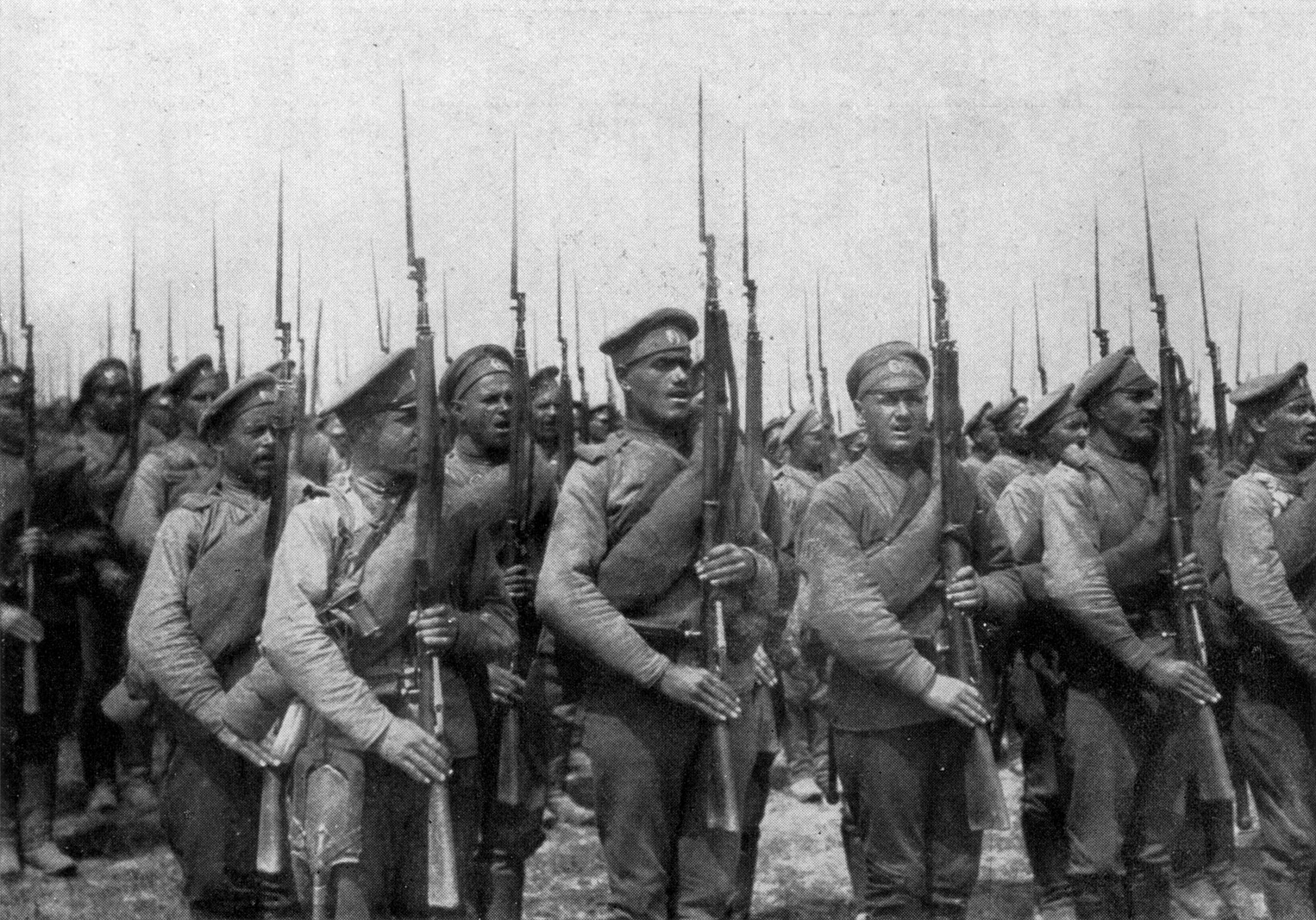
I was wondering if any of you could tell me what these Russian shoulders have across their shoulder. It looks a bit like a rolled up blanket but it seems to small for that. http://upload.wikimedia.org/wikipedia/commons/9/90/Defenders_NGM-v31-p369-A.jpg
2 Answers 2015-04-13
In world war two most of the major warring nations all had their own shoulder fired recoilless weapons. As far as I know the only ones that didn't were Italy, Japan and the USSR. Considering Italy had some major problems in industrial output it doesn't surprise me that they never produced one. Japan doesn't surprise me all to much either considering the lesser presence of armour in the Asian theatre.
What does surprise me though is that the USSR didn't have one. Why did one of the biggest and eventually best equipped armies not have their own recoilless rifle? What was their alternative? Were Soviet soldiers more regularly equipped with anti tank guns? Or did they have different tactics for taking on enemy tanks?
1 Answers 2015-04-13
Hi,
First of all i'm sorry if I'm butchering Shakespeare language. I will try my best to keep it simple.
Is there any source / books / anecdotes about the first Japanese embassy visiting Europe?
In fact, any things that can represent a view from people outside of the "old world" who have visited it before 1900 would be appreciate, by against, I only speak french and english so other material even if I'd like to learn about it will be difficult for me to decipher.
thx and have a good day.
1 Answers 2015-04-13
In order to explain the strain of anti-American sentiment in South Korea, a Korean friend of mine once told me that "America acted like Nazis" in Korea, including massacres, violent suppression of political dissent, etc. I'm wondering to what extent this is true.
2 Answers 2015-04-13