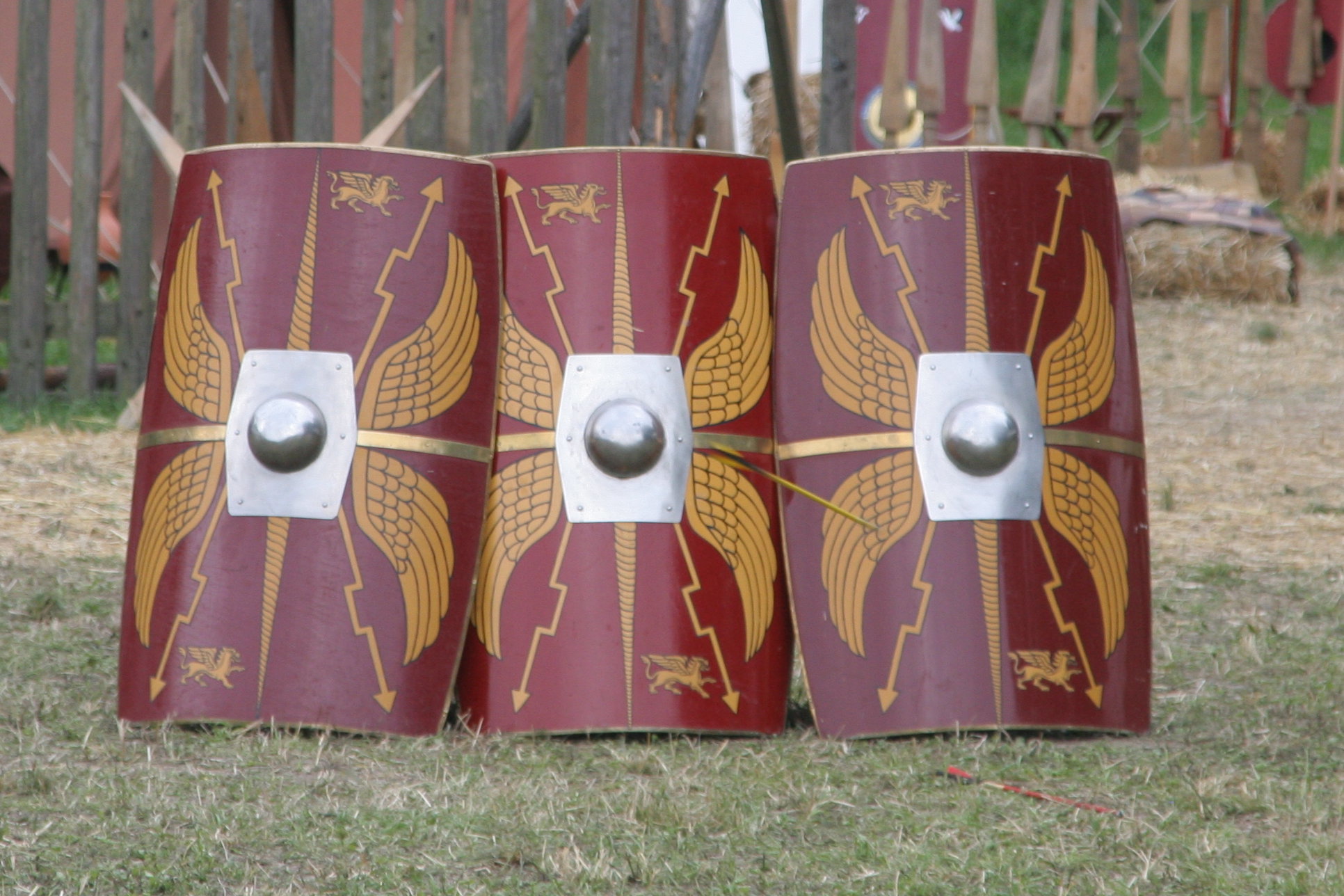
Was it built over previous roads? Due to less population was it easier to claim land? Were there disgruntled land owners that refused to sell their land and roads were forced to be diverted?
Also, I'm not sure if I can ask this since this is speculation about the present, but would a project like this be feasible in modern times?
3 Answers 2014-09-29
1 Answers 2014-09-29
I'm imagining Rome flooding an area with Roman settlers and soldiers. Anyone in the local population who did not submit to Roman rule were systematically killed. Everyone would adopt Latin as the new language. Soldiers would intermarry with the local woman and raise families. This is a very wrong view it turns out. I'm sure the specifics also varied from Emperor to Emperor. I'm very interested in this and I hope to read some great answers from all the ancient Roman history experts here!
2 Answers 2014-09-29
1 Answers 2014-09-29
I posted this link on /r/news and through discussion came to the posted question. So, using the power of reddit I ask you historians: Did the Romans charge citizens for the water that came through the massive aqueducts they built?
1 Answers 2014-09-29
Slavery was a source of friction between the anti-slavery Mexican government and slave-owning Texan immigrants, eventually contributing to Texas defecting to the United States. But Mexico was founded as a Spanish colony whose economy relied on Native American slave labor. What changed in the centuries between Hernan Cortez and Davy Crockett?
1 Answers 2014-09-29
I just want to know what the people thought of the french-canadians in WW2. It can be from the allies or axies sides. Thanks! Sorry for my bad english.
1 Answers 2014-09-29
1 Answers 2014-09-29
1 Answers 2014-09-29
I feel I have asked the question clumsily, but with artists today capturing photo-realistic images in paint, why do painted and carved images throughout history look so rudimentary?
Were the artists limited by their tools and materials? Or, might there have been a psychological hurdle that early artists had to get over having seen few if any artistic images in their lives?
4 Answers 2014-09-29
Is it merely because of how prolific his writing was? Was his writing better preserved, so that other, earlier works using the same words were lost? Or is there really some aspect of Shakespearean plays that make them more likely to utilise words not yet recorded in writing?
1 Answers 2014-09-29
After Marathon they seemed to begin getting the idea that Hoplites were a very powerful weapon that could defeat their normal light-armored troops. Instead of constantly hiring unreliable Greek mercenaries, why did they not just produce their own heavy bronze armor and train their own soldiers in Hoplite tactics? Surely the empire had the time and resources to do something like this. If Alexander could do just this just after his return from India, why didn't they?
2 Answers 2014-09-29
If I understand the history correctly, following the 1989/1990 protests in Ulaanbaatar, the MPRP made great concessions to protesters. Thus, even though the party got re-elected, hardliners got replaced with moderates and they had to follow policies such as liberalization and privatization.
Apparently, despite the fact that most Mongolians did not have any knowledge about businesses, every citizen was given a certain amount of vouchers to be used for privatization. Not only do I have problems imagining how this was organized, how it worked/played out, but what were the short-term and long-term consequences of this?
1 Answers 2014-09-29
I was just wondering, given the major population difference between the two.
1 Answers 2014-09-29
I have a few "pagan" (Neopagan) friends who claim this, and even that there was pagan blood that was shed due to this, I was just wondering what verifiable sources there are to confirm or debunk this?
Here's an article by one such "pagan" with plenty of replies:
1 Answers 2014-09-29
We're taught that one of the key responsibilities of the British Monarch is to act as a safeguard in extreme situations and use his reserve powers to protect the realm.
Surely George VI could have instructed his Governor-Generals to refuse assent to military action? He could have forced his Prime Ministers to the negotiating table. If ever there was a time for a constitutional monarch to get involved, surely this would be it.
Was there a declaration of war? Is it even legally possible for a sovereign to be at war with himself?
1 Answers 2014-09-29
Just started a topic at school and wanted a little context, thanks in advance.
1 Answers 2014-09-29
2 Answers 2014-09-29
Also: These days Sanskrit is either written with the Hindi script (Devanagari) or with the Latin one (IAST). Previously it was written in the script of the land (i.e. Sinhala, Tibetan, Thai, Khmer, ... ). But which one will the classic writers themselves (Vyasa, Manu, Patanjali, Shakyamuni, Nagarjuna, Prahevajra, ...) have used originally?
1 Answers 2014-09-29