During the years before and during WWII, Japan was horrifically cruel to both the people in land they captured (e.g.: Filipinos, Indonesians) and the enemies they were fighting (e.g.: Australians, Indians, British). You would think that, with all the atrocities and crimes they committed, Japan would be hated by everyone right now.
And yet, with the exception of Korea and probably China, almost every country sees Japan in a pretty positive light. They rank high in popularity charts, tourists love the place, and many associate Japan with good values, like respect and loyalty. Japan also has amicable relations with most of the globe.
Why is this?
1 Answers 2015-12-06
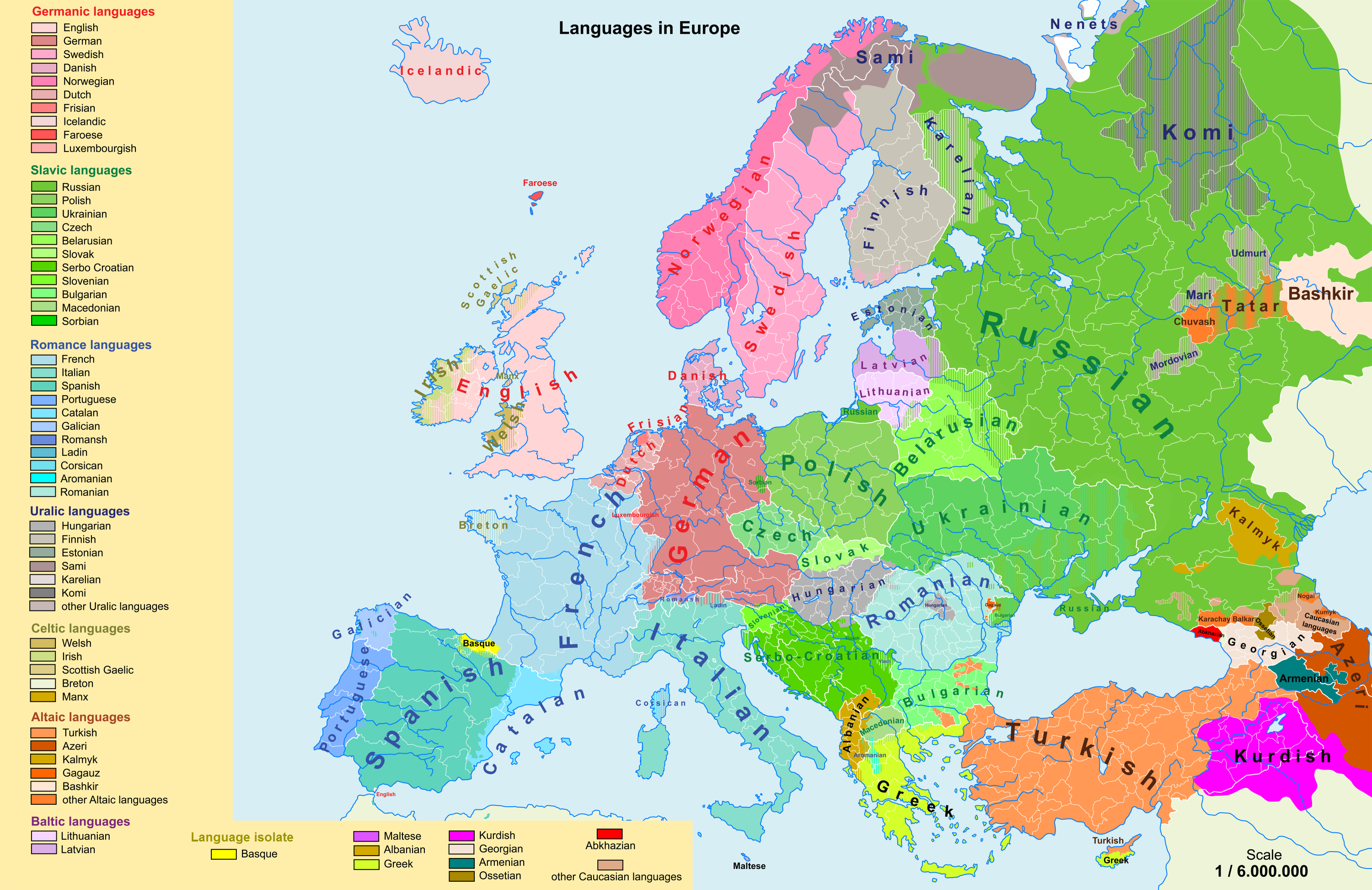
This map exhibits the split pretty well. Why are the two Hungarian populations so distantly separated?
Did the Romanian government deliberately settle Romanian people along the border to destroy any kind of transnational Hungarian identity?
Was Transylvania settled by Hungarians after parts of modern-day Romania were conquered?
1 Answers 2015-12-06
I would like to learn more about Sharia law from a more scholarly source. The media likes to throw the term around to push various agendas, so I want to have a concrete understanding of what it is. Is it a series of laws from the Qur'an kinda like some of the things in Leviticus or is it from other traditional sources like Hadith? Any response is appreciated.
2 Answers 2015-12-06
They knew they were on the "losing team", so to speak, so why did they try so hard to cover up what they had done? Wouldn't they be punished severely regardless? Also did a lot of Nazi soldiers stay loyal until the end? Why?
1 Answers 2015-12-06
I am already listening to The History of China by Chris Stewart and want some more ideas. I don't care what their about as long as their about history.
4 Answers 2015-12-06
There could hardly be a more justified cause for joining the war on Britain's part, considering how the Germans handled Belgium, but were they looking for a reason to intervene beforehand? I know Germany and Britain had been major rivals, with their own naval arms race before the war and opposition in the Moroccan crises, but was their joining the war entirely contingent on the violation of Belgian neutrality?
1 Answers 2015-12-06
The vast majority of South America was conquered and colonized by the Spanish and Portuguese, with the exceptions being Suriname, and British and French Guyana. Why were these colonies formed right next to each other? Why were these the only places where the British, French and Dutch established colonies in South America?
1 Answers 2015-12-06
So around two years ago CNN made this documentary called "The Sixties" and this year they made "The Seventies". Since I realized they were done making them, I decided it was a good time to binge them. But since I'm not a history buff, I was just wondering, are they biased toward anything? I know CNN has a liberal pull, which I don't mind, and (I watched up to the 3rd episode) they ride everything JFK did, like he was an ethereal figure (slight exaggeration). Maybe I'm being paranoid or something.
1 Answers 2015-12-06
I recall hearing many years ago that Catholic Priests didn't have a broad access to many classical texts because they would be referring to sexual content.
Is there any truth to this?
1 Answers 2015-12-06
158,000 Japanese in Hawaii on Dec. 7th, barely 2,000 interned by wars end. Why such a drastic difference? I learned about the interment in school (California), but never about the lack of internment in Hawaii.
1 Answers 2015-12-06
the west went from togas to business suits in less than half the time
1 Answers 2015-12-06
The scene in question. https://www.youtube.com/watch?v=S06nIz4scvI
Are there any recorded instances of this happening? On any scale?
5 Answers 2015-12-06
The story goes that in 1934, MGM's Louis Mayer was angry at Gable for some reason, and decided to "punish" him by making him film a comedy (directed by some guy named Frank Capra) for Columbia Pictures, then considered a "Poverty Row" studio that made low-budget movies. It Happened One Night, of course, was a smash hit, swept the Oscars and is regarded as one of the greatest films ever made.
That's the story, at least. More recently I've read that Columbia's reputation had improved by this point, Capra was already an established director, Gable wasn't being punished, and that he had no problem with making the movie.
So what really happened?
1 Answers 2015-12-06
And if not, what contributed to the Southern shift toward the Republican Party?
2 Answers 2015-12-06
I recently got in an argument with my friends, and had trouble finding articles on the web about the topic. They claimed that combat was more "honorable" in the past. Soldiers would fight in hand-to-hand combat, so they would see their opponent's face and see them as a person, not just as a number. Meanwhile, in more recent times (WW2 for example), soldiers just bomb each other from planes from a distance. They listed the Roman empire, knights, samurai as examples of honorable fighters.
I argued the opposite, that fighting was much less honorable in the past. People would rape and pillage, with no regard for humanity, morals or ethics in times of war. They replied "nah, you only think that because it's what you've seen in the movies". I continue, nowadays we have Geneva convention, people are more humane etc. As an example, I said that in the past if a soldier came upon an enemy with his backed turned, he would totally just stab in the back. They said he wouldn't just kill him, he would fight him in honorable combat.
Anyway, I know it's a pretty vague question and there's a lot of variety in the answers but I was hoping to get some actual facts from people who actually know what they're talking about. Thanks!
1 Answers 2015-12-06
Had a shower thought and couldn't figure it out, thought I will try my luck here.
1 Answers 2015-12-06
2 Answers 2015-12-05
I mean I don't really see alot of discussion about the civil rights movement after the 1960s in my history textbooks.
1 Answers 2015-12-05
It seems to be this area of the world is in continuous wars.. not just the most recent but going back hundreds, even thousands of years.
1 Answers 2015-12-05
I keep hearing that the Hellcat had the highest/one of the highest kill/loss ratios out of any armored vehicle during wwii. As I understand it, the M18's armor was really weak and its gun wasn't particularly powerful, so why did it apparently do so well?
1 Answers 2015-12-05
2 Answers 2015-12-05
[deleted]
1 Answers 2015-12-05
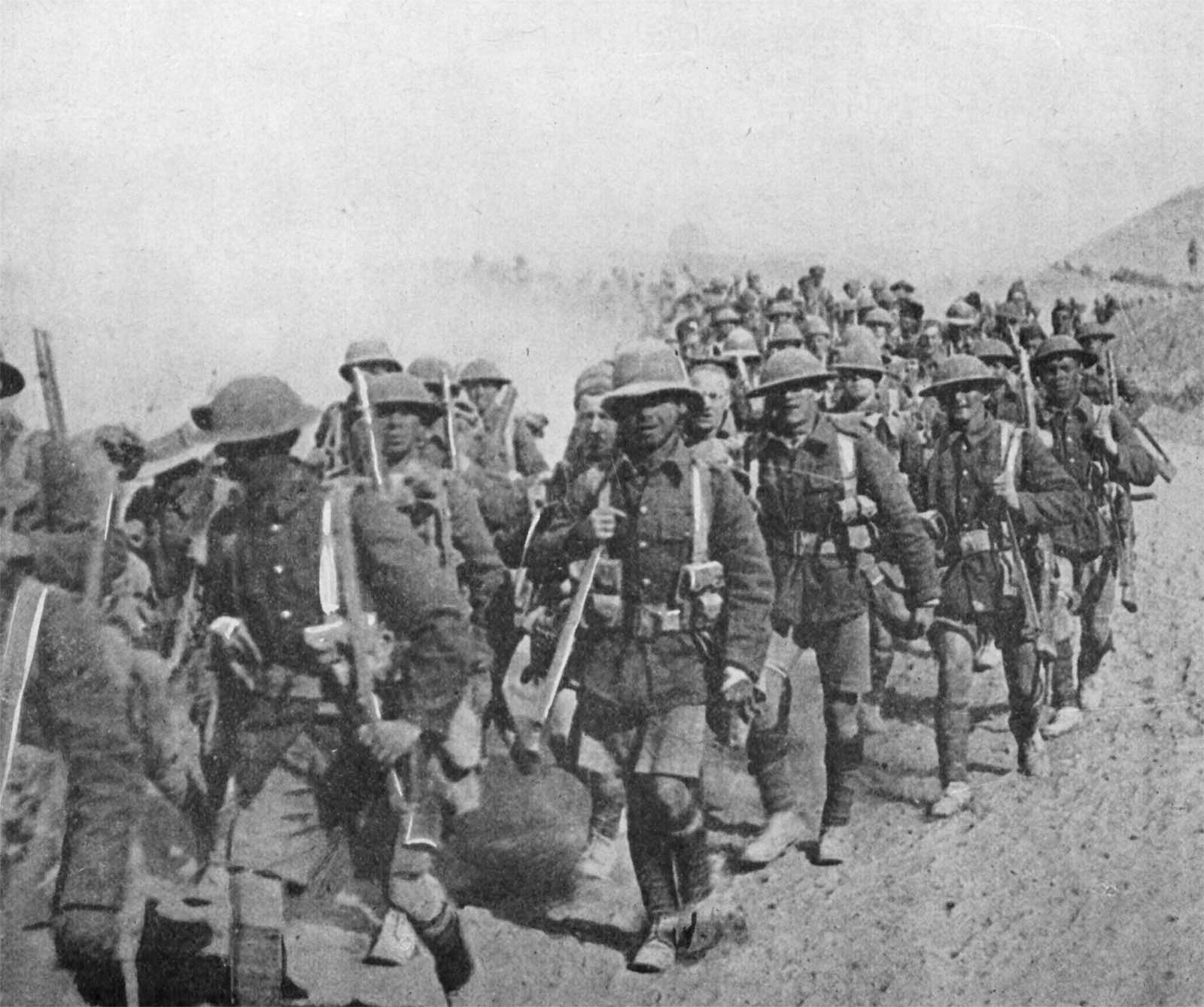
I suppose the question is really asking why armies (specifically European) abandoned the helmet around the Napoleonic wars and the 18th and 19th century when it makes military sense to have your troops protected in those kind of battles. Pictures:
English civil war - http://2.bp.blogspot.com/-RbA_k46-CKI/VCEbISVypHI/AAAAAAAAE1U/ZfFuaPkdRwA/s1600/nrdlingenterciotorralto.jpg
Napoleonic War - https://s-media-cache-ak0.pinimg.com/736x/54/20/d2/5420d20f31541565e7f2dba83aae19e0.jpg
WW1- https://upload.wikimedia.org/wikipedia/commons/4/43/British_Troops_Marching_in_Mesopotamia.jpg
EDIT: Thank you all for your informative answers :-)
3 Answers 2015-12-05