As a student of American history, I have a wealth of information regarding the modern industrialization in the U.S. I realize that Germany also underwent rapid industrialization at approximately the same time. Were there also stand out industrialists that pushed Germany forward?
Thanks.
4 Answers 2015-05-14
Also, were there attempts in the military to get transfers away from cities likely to fall to the Russians?
1 Answers 2015-05-14
2 Answers 2015-05-14
I see this fairly often, and I'm having surprising trouble finding info on this.
I can only assume pointing up is a reference to heaven and down is hell, but I found no info on this.
I do have a few examples if anyone needs them.
3 Answers 2015-05-14
I'm referring to this scene from the Coen brother's version of the movie. I was surprised at LaBeouf's strong reaction against Quantrill and the Lawrence massacre, given that he's a former Confederate soldier himself ("I was in the Army of Northern Virginia"). I'm curious to know whether the movie is accurate in this respect.
Since they were basically on the same side in the war, why is he so hostile towards Cogburn? Was the Lawrence massacre so despised even back then that even people sympathetic to the south hated Quantrill? Was this a common opinion among Confederate veterans?
Also, I'm very curious about LaBeouf's reaction when Cogburn referred to Quantrill as "Captain Quantrill". What does he mean when he says "Captain of what?" I don't understand what he's referring to there, and why Cogburn takes so much offense at that line.
Any information to the background of that argument would be much appriciated.
1 Answers 2015-05-14
1 Answers 2015-05-14
Men's formal, professional, and casual clothing is plainer and with fewer options than women's clothing. Men also conform to laxer grooming standards, don't wear makeup, accessories, etc., and aren't criticized if they spend limited time on dressing and personal hygiene. Women, on the other hand, stereotypically wear makeup, spend copious amounts of time on their hair, have giant shoe collections, etc. There are also far more options in terms of female fashion. This is obviously tied to gender expectations and sexual/gender identity, as men who do focus on their appearances are often assumed to be gay (or that lovely '00s term "metrosexual"), whereas women who don't/choose not to conform to female norms of appearance are either lesbians or somehow incompetent women. How did this connection between appearance, clothing, and gender develop?
2 Answers 2015-05-14
I always see press conferences there and headlines saying 'the President at Camp David', but are there any other lesser known reasons?
4 Answers 2015-05-14
I'm currently reading about The Crusades and I am having a hard time finding more information on the Knights Hospitaller. They seem like an interesting group, but I'm having trouble finding information on how they treated (as in cared for) people and their justifications for their more militaristic actions.
2 Answers 2015-05-14
1 Answers 2015-05-14
I've heard quite a few conflicting things about this rifle. I've heard it was unreliable and dangerous, but at the same time that all those stories are fabrications with no historical precedent. I've heard that the 6.5x52mm cartridge size was a good thing, but at the same time that it was hard to get ammunition for it. How did the Carcano stack up against the other rifles of the period, and at what point did it become obsolete?
1 Answers 2015-05-14
2 Answers 2015-05-14
Hello everyone, i wrote a similar question some weeks ago but i suppose for some mistake it was not posted. Now i try again (in the case i break a rule, could you tell me which one?)
Does someone know figures about the male population (German, not containing also the Allies/Soviet military) in Berlin immediately after, i mean in terms of months, the V-E Day ?
Something like (i'm making up an example): approximately there were 130k males born in 1925, 115k males born in 1926, 186k males born in 1927, etc.
Thanks for the effort :)
PS: my searches on the web were not successful, sorry.
1 Answers 2015-05-14
1 Answers 2015-05-14
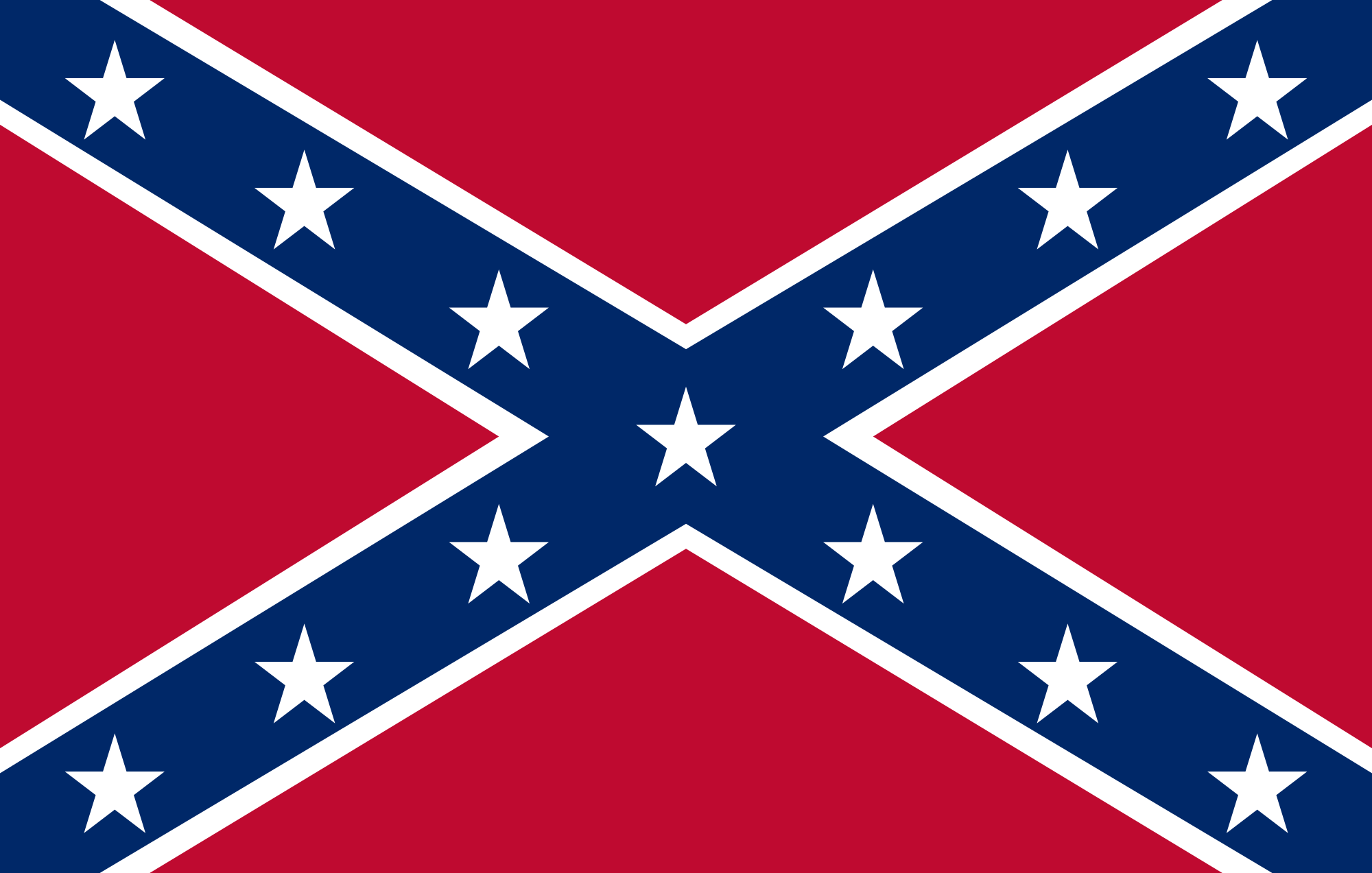
So this is the flag of the CSA: http://upload.wikimedia.org/wikipedia/commons/thumb/d/da/Flag_of_the_Confederate_States_of_America_%281861-1863%29.svg/590px-Flag_of_the_Confederate_States_of_America_%281861-1863%29.svg.png And this is one of the Confederte Naval Flag: http://upload.wikimedia.org/wikipedia/commons/thumb/9/9a/Confederate_Rebel_Flag.svg/2000px-Confederate_Rebel_Flag.svg.png How did the second flag come to represent the CSA in popular consciousness?
2 Answers 2015-05-14
As the Czech Arms Deal took place in September 1955, I'm guessing this had a major impact on the eventual Suez Crisis with the nationalization of the Suez Canal less than a year later in July 1956?
The link I can derive is that it led U.S.A to provide funding for the Aswan Dam as USSR looked a threat to sway Egypt to become a communist state. Then, as Nasser was neutral and other Western allies in the Middle East were not receiving aid on the same scale whilst being cooperative to the containment of communism, began getting annoyed at the size of the funding for the Dam - thus funding was was withdrawn....leading to nationalization of the canal as another source of revenue for the Dam project.
Can anyone derive any other consequences?
What did it mean for the Israeli's for instance, i.e. were they more likely to start the Suez War following the Deal?
1 Answers 2015-05-14
1 Answers 2015-05-14
Considering the North American continent has several other countries, (even including places like Greenland!) and there is another American continent, it seems odd that the US is the only one that is considered "Mericuh!"
Is it because we included the word in our official title (US of A,) or is there another reason?
2 Answers 2015-05-14
I know it was very militaristic, but what type of power did the Prime Minister, Emperor, or Head of the Imperial Army have for example?
1 Answers 2015-05-14
My understanding is that before WW2 countries at war generally kept fighting to the trenches etc.
However, during WW2 and from then onwards it became common practice to target civilians (The Blitz etc.)
What lead to this? Which side started it?
Furthermore, if one side during WW2 stopped targetting civilians, do you believe the other side would have followed suit?
2 Answers 2015-05-14
2 Answers 2015-05-14
Hi,
I am trying to help my wife identify a medal (or maybe an award/decoration) she found among her grandfathers things.
Her grandfather served in the Norwegian navy (seems to have served onboard HNorMS GLAISDALE during D-Day) during WWII and was in the merchant navy in 1945.
Thanks for any help or tips for what this could be.
2 Answers 2015-05-14
That is, say you were wandering Rome at 2am for some reason. Could you visit the baths, or any of the various temples? Could you just walk in to the Colosseum? Or did things like that have "operating hours," the way a park today might be closed dusk-to-dawn?
2 Answers 2015-05-14