My apologies if this is the wrong subreddit - this seemed like the right place, but I'll be happy to take the question elsewhere.
Why is the extinction of the dodo so famous, as opposed to, say, the extinction of the carrier pigeon? The latter was actually a much more significant feat, both in the impact the species had on human life and the environment, and in terms of the sizes of the populations involved. So why have more people heard of the dodo than the carrier pigeon? Is it because the dodo itself was such an oddity, or for other reasons?
2 Answers 2014-10-03
1 Answers 2014-10-03
Questions: How much land would a serf have to tend? What was the ratio of bonded men to free men? Did the peasantry own any of the agricultural land or where they all sub tenets of the lords?
Thank you for your time.
3 Answers 2014-10-03
Specifically, looking at some of this data it would seem that understanding that causes of the increased crime rates would help guide us to an explanation for the subsequent decline.
http://en.wikipedia.org/wiki/Crime_in_the_United_States#Crime_over_time
Do the explanations for the crime rate rise correlate with the theories of the later decline?
1 Answers 2014-10-03
1 Answers 2014-10-03
Recent discoveries in botanical sciences have found a possible plant that fits the symptoms of Alexander the Great's death.
What are some prominent theories on who would be behind such a plot to murder him (I'm sure there were many states that wanted him dead), and why (what did they have most to gain at his death)? Although I'm less inclined myself to believe, I know one theory posits Aristotle as a possible conspirator.
1 Answers 2014-10-03
I assume people always carried money (please correct me if I'm wrong), but when did a folded piece of leather with money and a driver's license become a normal (almost essential) possession for men?
1 Answers 2014-10-03
Today:
You know the drill: this is the thread for all your history-related outpourings that are not necessarily questions. Minor questions that you feel don't need or merit their own threads are welcome too. Discovered a great new book, documentary, article or blog? Has your Ph.D. application been successful? Have you made an archaeological discovery in your back yard? Did you find an anecdote about the Doge of Venice telling a joke to Michel Foucault? Tell us all about it.
As usual, moderation in this thread will be relatively non-existent -- jokes, anecdotes and light-hearted banter are welcome.
15 Answers 2014-10-03
I have read a few books about the Civil War, and it's usually mentioned that in the South there was a tremendous fear and paranoia of a slave rebellion. It seems unlikely the slaves could have ever rebelled to any significant degree, give the way they were controlled and the swiftness in which the South would have put down any nascent rebellions. So what was this fear based on?
2 Answers 2014-10-03
4 Answers 2014-10-03
1 Answers 2014-10-03
I just read this article about animals being put on trail for various crimes in the medieval period in Europe. They only seem to have one reference: this book from 1903. I was wondering if this really was as common as the article seems to suggest? It seems to me that people may have been superstitious and misinformed, but that they probably were not as silly as to put animals on trial.
1 Answers 2014-10-03
I saw a photo once of a U.S. soldier replacing a German street sign which read "Adolf Hitler St." with a painted one that said "Roosevelt Blvd."
Did everything that was named after Hitler get renamed or demolished?
7 Answers 2014-10-03
I'm currently doing some research into the Lower Silesia region of Poland, with a view to marketing it as a site for contemporary tourism, and as such have been looking into its past/history.
I have come across many references to a time when Lower Silesia was an extremely popular holiday destination for the European aristocracy, and that this is why the region is so densely populated with stunning palaces. However, I've failed to find any hard facts, stories, or details on this period in Lower Silesian history.
Can anyone out there enlighten me? When did these people go there? (I'm guessing 17th, 18th & 19th Cs) Where were they from? How many of them were there? How long did they stay? (If they took the trouble to build themselves palaces, they must have returned regularly?) Did they have any rituals? (eg. big annual parties, marriage arrangements,) Were any particularly famous people involved?
Any information or sources I should look into would be extremely gratefully received, and thank you very much in advance.
1 Answers 2014-10-03
How did Yiddish, Ladino, etc develop? It seems like regional Jewish vernaculars developed through contact with the local culture (obviously) but then how did the languages not assimilate? Why do local Jewish vernaculars pop up so regularly rather than the community being bi lingual?
3 Answers 2014-10-03
2 Answers 2014-10-03
1 Answers 2014-10-03
5 Answers 2014-10-03
Might be a stupid, question, but I'm still curious. Obviously they must've explored there down south (hueh hueh), but exploration and conquest are two very different things.
Thank you!
2 Answers 2014-10-03
2 Answers 2014-10-03
3 Answers 2014-10-03
I remember reading that the myth that carrots help your vision comes from the British not wanting the Germans to know that they were using radar for guidance.
But I recently saw a picture of a Japanese bomber that had radar in the nose. So if the Axis were using radar, then why did they need to keep it quite? Was the Axis radar not a detection radar but more of a guidance one? I remember reading that they had their bombers follow one radio wave until it crossed another one, and that's where they would bomb.
Thanks
3 Answers 2014-10-03
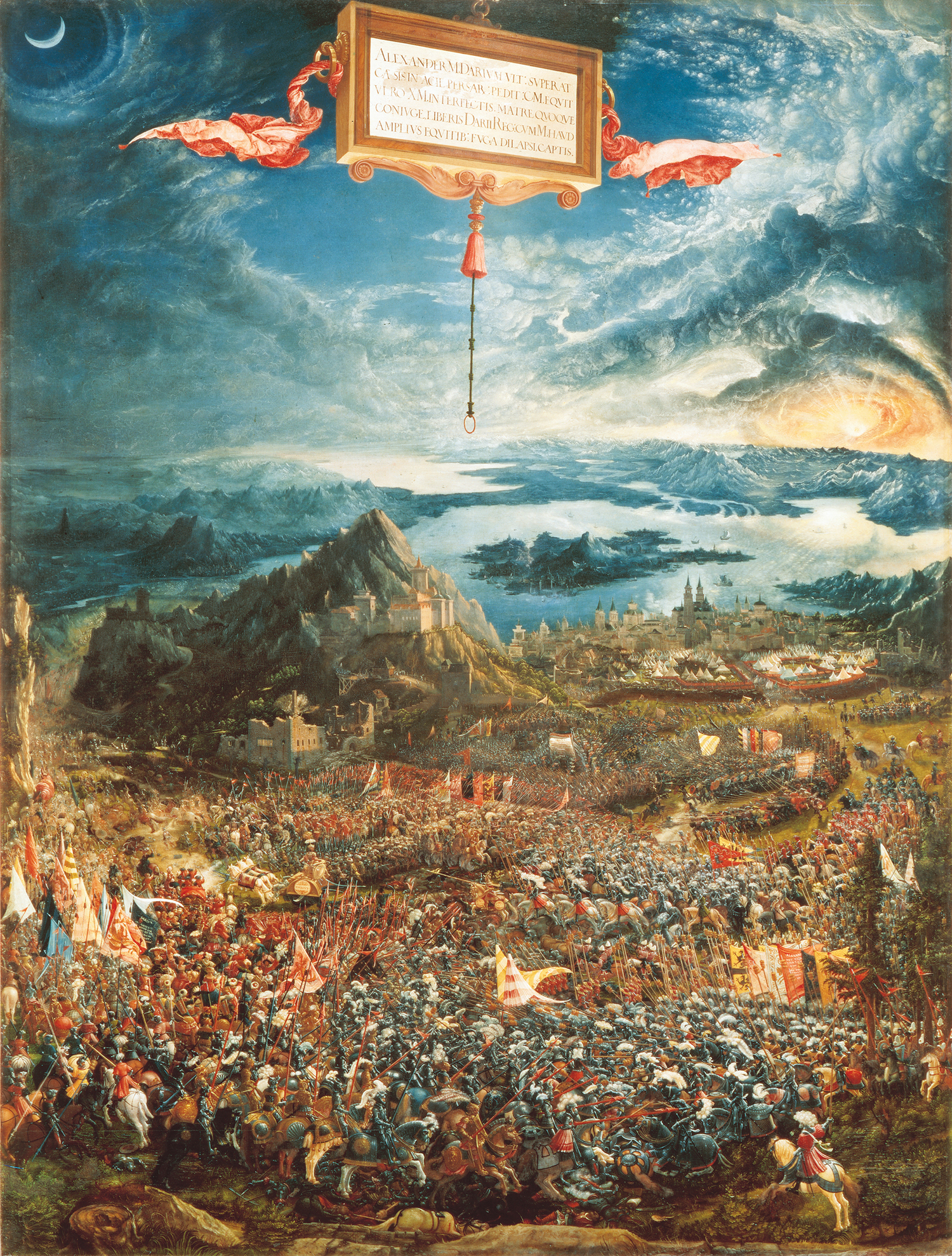
I've recently finished Chaucer's Canterbury Tales and was struck by how much the stories relating to the ancient past seem anachronistic (e.g. the Knight's tale about ancient Thebes includes jousting between knights). Also, medieval paintings depicting supposedly ancient or biblical battles are often anachronistic with respect to gear, siege-craft and so on.
So, do we have any evidence or reasonable conjectures if these authors and painters 'knew' they were wrong? If I painted something titled 'Battle of Alexander at Issus' but had all the participants in WWI gear, I would either be making a deliberate point or be woefully mistaken. Did these painters simply not know many details about the ancient world and assume their society was similar, did they not care, were they making a point about their own times...?
1 Answers 2014-10-03