I'm researching Crassus for a history assignment and I can't seem to find any insight on this. Sources would also be helpful.
3 Answers 2014-05-25
I was wondering of they would have been in lorica segmentata, like every game portrays them as, or if they would have been in togas or commoners clothing like the modern day Secret Service is.
Thanks!
1 Answers 2014-05-25
2 Answers 2014-05-25
I am currently writing my MRP on how geography impacted the perpetrator movement of the Rwandan genocide. Other than the frustrating part of finding demographic info from before 1994, I've noticed in my readings that historians (unless military) tend to leave out the impact of geography and terrain in their arguments. I wouldn't call myself a military history by any means but I'm curious as to why this is. I don't think we can divorce history and geography.
6 Answers 2014-05-25
Mozart, Beethoven and others left a rich musical legacy in Europe. Why didn't China, Japan, India or the Ottoman empire write any great music in this same period of time. Or if they did, what are they?
1 Answers 2014-05-25
For example, here is the soviet N-1 rocket
And here is the NASA Saturn V
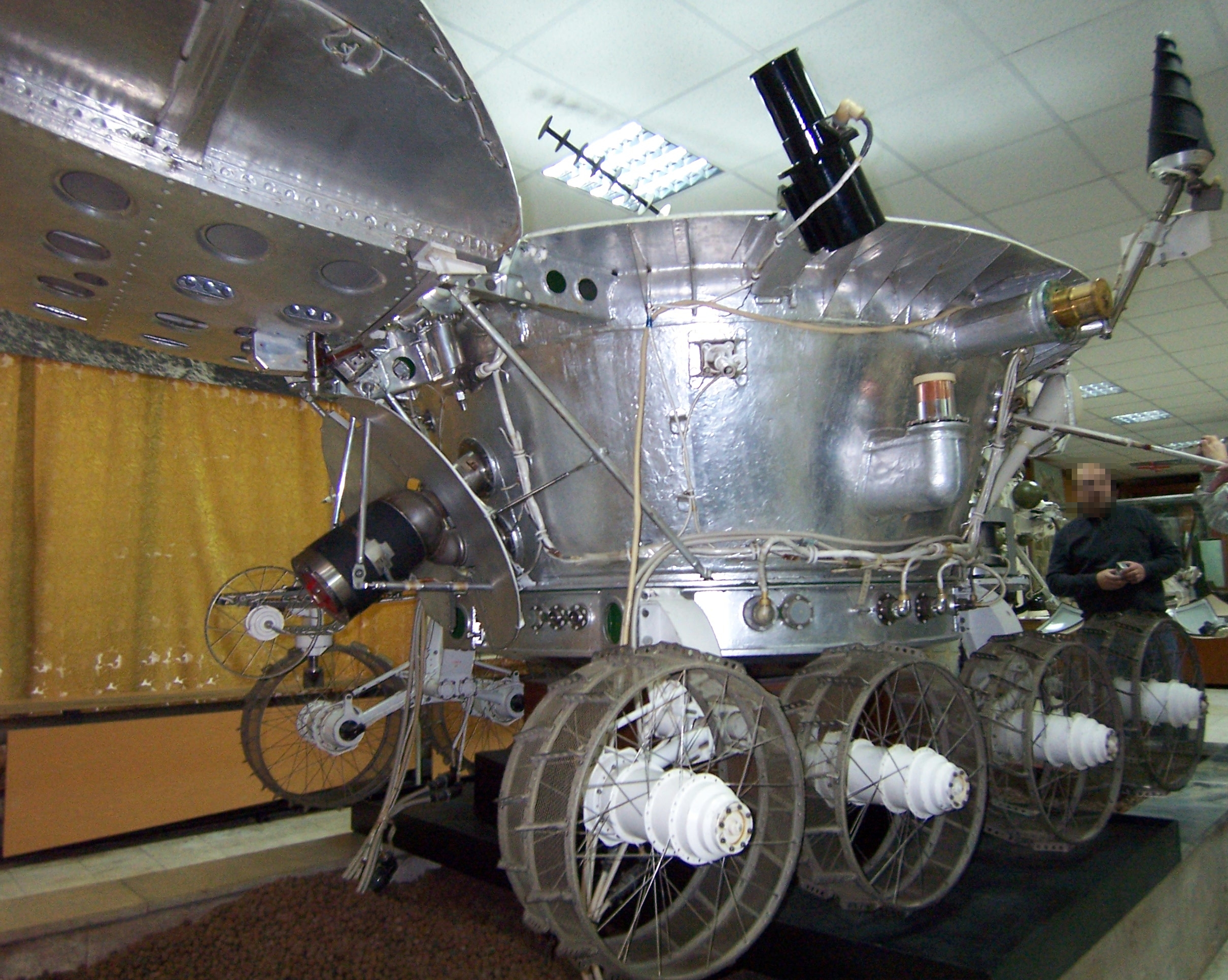
Another example is the Lunokhod rover
3 Answers 2014-05-25
1 Answers 2014-05-25
Or anyone for that matter?
I specifically said philosophers, since they are more modern and enlightened. I know this isn't always necessarily true, but you get the idea.
5 Answers 2014-05-25
1 Answers 2014-05-25
I mean not with just a list of names, but also some mentions about who they were, what the did for a living etc.
10 Answers 2014-05-25
1 Answers 2014-05-25
Aside from Charlemagne's brief invasion in 778, were there any more encounters between Spain and West Francia/France in the period between the 9th and 16th centuries? It's just that in the Renaissance the two countries, both being superpowers as well as neighbours, seemed to always be involved in some sort of bond with each other. I'm wondering if this relationship existed during the Middle Ages as well, especially while al-Andalus was still a thing.
1 Answers 2014-05-24
3 Answers 2014-05-24
Are modern Italians (excluding immigrants) lighter-skinned on average than Italians in antiquity, due to various barbarian invasions?
1 Answers 2014-05-24
Did we just utterly not expect them to attack the United States or its territories? Certainly well before 1941 we understood how the sides were lining up, whether or not we really expected Japan to attack--why didn't (or couldn't) the United States do more to, for instance, reinforce the Philippines before our war started on December 7th?
4 Answers 2014-05-24
I don't mean the accidental spreading of diseases. I mean how many were killed by forced marches, preventable famines, and intentional massacres. I always hear about how we (the US) committed genocide, but I feel like the vast majority of deaths were caused by non-intentionally spread disease. State action, as well as actions performed by British on behalf of Americans would also be helpful.
3 Answers 2014-05-24
I was reading about Marcus Aurelius today and noticed the article states he was the last of the "Five Good Emperors." I started reading about them and don't see anything particularly special about them. They seem competent, and their reigns saw improvements to Rome, but they don't really seem all that special to me. Is it a context thing? Were the other Emperors immediately before and after them just that bad? What am I missing here?
2 Answers 2014-05-24
3 Answers 2014-05-24
I have noticed that History textbooks don't seem to say about the status of other races during the time where abolitionists were at their peaks and the Civil War was about to begin. Can anyone enlighten me?
2 Answers 2014-05-24
I'm just asking because during WW2 most of the at-home factory work and work in general happened was done by women because all the men were gone. Was it like that for the defense industry as well (in terms of R&D and actually designing new aircraft and whatnot)?
2 Answers 2014-05-24