Maybe this is a really dumb question and I'm not sure if this is the right subreddit for it but I'm assuming you folks here have the most expertise on this stuff.
So, kings who all share the same name. You'd think that you'd give the heir to your throne a name that would make him stand out, not be 'king number six'. It reminds me of people with pets who just call each new dog 'Sparky' or each new bunny 'Mister Sniffles'.
Obviously there are the Kings named George (which would make for a nice band name) and here in the Netherlands we've had a Willem 1, Willem 2, Willem 3, followed by a queen called Wilhelmina and at the moment we have a king again, called Willem-Alexander.
Also, if you don't use roman numerals to address the different Georges and Willems it looks even weirder.
But I digress.
1 Answers 2014-05-08
Collective identity is an interesting thing. The American Revolution would've never happened had the majority of colonists still viewed themselves as 'British'. It seems like this transition happened relatively quickly. But why?
1 Answers 2014-05-08
After hearing some comments from a Brazilian student of mine, it got me researching this particular point of aviation history. Many regard the Wright Brothers as being the inventors of the airplane. However, according to Brazilians, Alberto Santos-Dumont was the first.
Many Brazilians claim (somewhat ironically) that Americans push a false view of history due to vanity and national pride. Obviously, the distortion of history for nationalistic purposes is well-possible of any country, so I didn't want to discount anything. While the true answer seems to be "no one person invented it," it would be nice to have some clear facts regarding this debate if it ever came up again.
Here are my specific questions:
What is the definition of airplane when someone says the "first airplane was invented by..." Conversely, what is the definition of a glider.
One of the factors that Santos-Dumont supporters often cite is that the Wright Brothers used a "catapult" system to launch the plane from the ground. It is therefore, not a plane, but a glider. Depending on whose opinion you read, this system seems to range from "nothing but a rail" to some kind of massive trebuchet-like system that propelled it into the air allowing it to glide for extended periods. What are the technical details of this device?
Another factor is that the French FAI officially awarded Santos-Dumont for his achievements at the time. What is their stance on the Wright Brothers flights, being documented, but not publicly shown. Also, How authoritative is the FAI in matters of aviation history?
Articles and comments on the net seem to be rife with bias without clear definitions and technical details, so any clarity on these points would be appreciated.
4 Answers 2014-05-08
4 Answers 2014-05-08
3 Answers 2014-05-08
As someone who had a birthday yesterday I can't help but wonder when it first became common to celebrate the day of birth, and what importance it had.
2 Answers 2014-05-08
I thought this was interesting.
Found these photos in the Finnish Wartime Photograph Archive, SA-Kuvat archives.
https://i.imgur.com/txUbHsC.jpg
https://i.imgur.com/leLOduY.jpg
https://i.imgur.com/pJMec5S.jpg
https://i.imgur.com/gaXZYIQ.jpg
The caption (my translation) is the same for all photos and says:
"The First American prisoners on mainland Europe. Among others, depicted is a Finnish boy named Jansson. Lieutenant Vartio and the aforementioned fella are chatting in plain Finnish. The 22 prisoners are placed in the same camp with their Russkie brothers-in-arms.
Litsa 1942.07.27"
Original in Finnish:
Ensimmäiset amerikkalaiset vangit Euroopan tantereella. Kuvissa näkyy mm. joukossa ollut suomalainen Jansson niminen poika. Luutnantti Vartio ja po.kaveri jutustavat selvällä suomenkielellä. Vangit yht. 22 kpl ovat sijoitettuna aseveljiensä ryssien kanssa samaan leiriin. Litsa 1942.07.27
Can anyone tell if this is true? Who were these soldiers?
3 Answers 2014-05-08
I have always wondered this and I am curious if anyone has any insight
2 Answers 2014-05-08
1 Answers 2014-05-08
1 Answers 2014-05-08
There's some minor drama in /r/books regarded Game of Thrones and how much rape and sexual violence is featured on the show. I know GoT is set in a fictional reality, but it's based on a few different historical events and is generally considered to have a medieval setting.
Was rape really more common in medieval times? Not only during war or the sacking of a city, but during peace time?
1 Answers 2014-05-08
After ww1 and the depression that also struck europe, germany was completely broke. Where did all the money come from that was fed into the economy and infrastructure to feed the new war machine? Basically, who was Hitlers benefactor?
1 Answers 2014-05-08
1 Answers 2014-05-08
I saw a post about Pompeii and Vesuvius reach the front page today and it got me thinking about volcanic eruptions, and specifically about why Vesuvius' eruptions seems to the most studied of any of the large volcanic eruptions.
There have been several eruptions that were larger and more deadly than Vesuivias, and a few of them happening in the last 200 years (Mount Tambora, Krakatoa, Mount Pelee, and Nevado del Ruiz). Not to mention there were two eruptions between 1600-1800 that killed millions, not thousands, but millions of people (Laki and Huaynaputina).
I understand that Vesuvius was a devastating eruption, but it just seems weird that it is the most talked about, studied and cataloged.
1 Answers 2014-05-08
Almost everything I "know" about Jews in Egypt comes from Jewish or Christian teachings. I'm curious if there are any records from Egypt that corroborate the Jewish stories of Egypt (particularly that of Moses, but preliminary searches indicate that such records don't appear to exist).
2 Answers 2014-05-08
Are there guesses? Was the New Testament written by a disciple?
1 Answers 2014-05-08
Other than royalty staying in the family wouldn't it be safer for their future children to have a child without chance of mutation?
1 Answers 2014-05-08
Particularly from 1080 — 1348, what sort of military ships were used and relied upon during this time period? What did naval warfare look like, and how long could a ship or fleet sustain itself on a single voyage before having to restock on food and supplies?
I am particularly interested in answers to these questions based off of how England, France, and Spain faired during this time period.
1 Answers 2014-05-08
7 Answers 2014-05-08
Obviously we think of this year as 2014 AD. How did people distinguish the years before we started using this scale? Did they simply not have a need for year counting? Has there been anything found in Egyptian hieroglyphs or some lost scroll from the middle ages that determines those people were using year counting?
7 Answers 2014-05-08
1 Answers 2014-05-08
4 Answers 2014-05-08
3 Answers 2014-05-08
Essentially, when did contracting of military hardware become a formalized process and was it always done by the lowest bidder?
1 Answers 2014-05-08
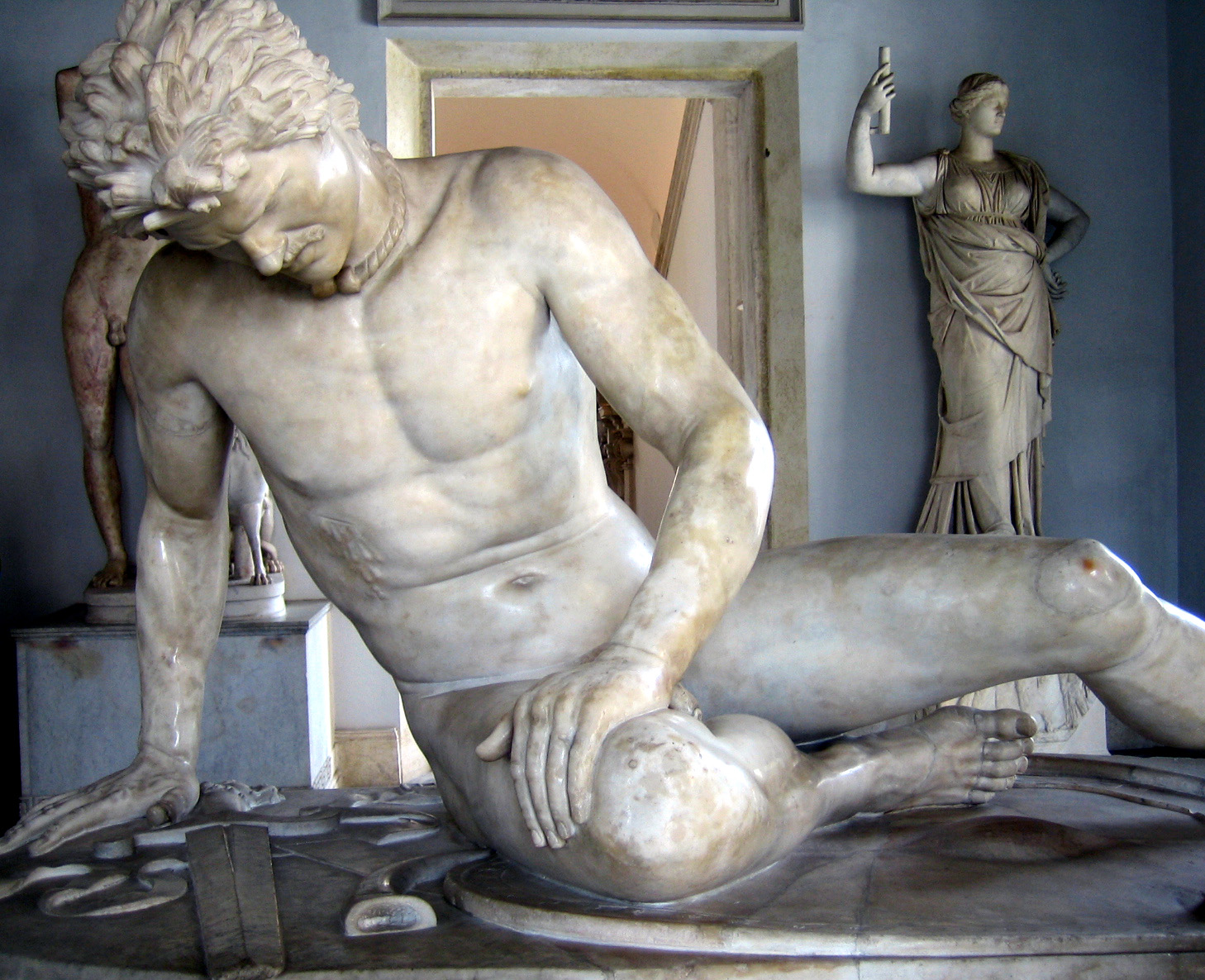
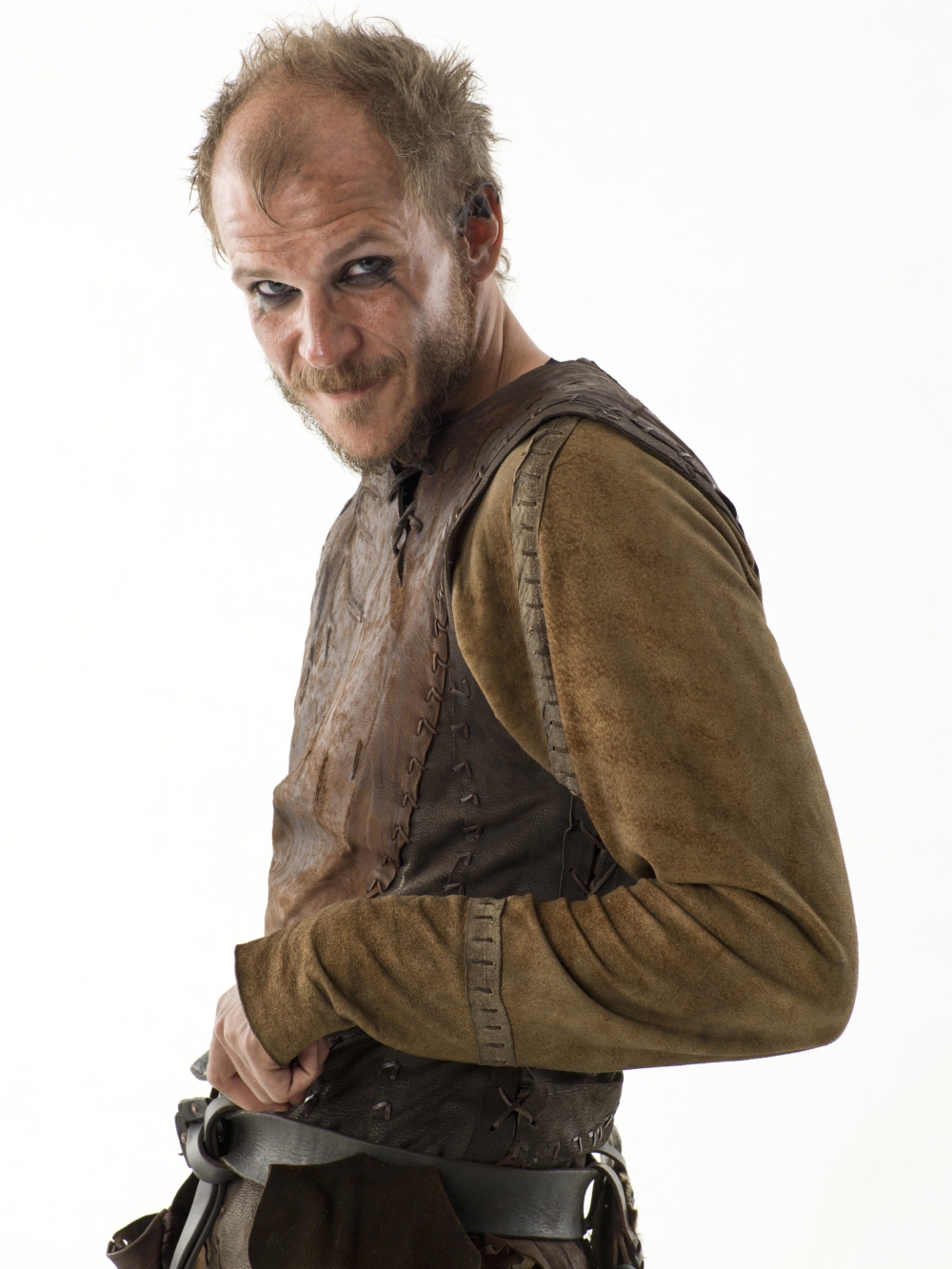
It seems to me that in Classical art or in popular media, such as the show "Vikings", "barbarian" cultures such as Celts, Gaels and Early-Medieval Vikings are always depicted as six and a half foot tall walls of muscle. Given that common people of these cultures lived (I would imagine) on a diet of root vegetables more often than meat, how accurate could this image truly be? Is it likely that Celts and Vikings would be able to sustain muscle in this way, or is this more likely a stereotype perpetuated by Classical histories, Wagner, etc.?
Essentially, would a Viking or Celt warrior resemble this or this, or would they look something more like this?
Apologies for the use of shows like Vikings for reference, but thanks in advance for any help given!
5 Answers 2014-05-08