I’ve recently started reading some Cold War history and I have a question regarding the nuclear arms race between the USA and the USSR.
From what I understand, the nuclear arsenals of both countries were sufficient enough to guarantee mutually assured destruction by the 1950s.
This being the case, what was the reasoning behind each country continuing to increase the size of it’s nuclear arsenal after this? Wikipedia shows that the amount of warheads each side built didn’t peak until the early 1980s.
Something the book I am reading discusses is the difficulty the USA had in balancing economic investment between nuclear development and conventional forces. If the USA had enough nuclear weapons to ensure MAD, why have any continued economic focus of building more nuclear warheads?
Another question sort of related to this: The book I’m reading, when discussing Eisenhower, describes him as someone with a “Clausewitzian” philosophy when it comes to war. Is someone able to explain how Eisenhower’s policy of preparation only for all-out nuclear war and nothing else can be reconciled with this?
2 Answers 2016-08-16
More spacific ally what's the language he would have spoken to his soldiers?
1 Answers 2016-08-16
The names sound similar to me which makes me think that they are possibly more directly related and the name simply distorted as it traveled distance and language barriers.
Is there any real connection between the two?
2 Answers 2016-08-16
1 Answers 2016-08-16
3 Answers 2016-08-16
1 Answers 2016-08-16
And to broaden the scope, when has this become something you'd be able to earn your living with?
2 Answers 2016-08-16
The r/AskHistorians twitter alerted me to an answer on Chamberlain's policy of appeasement at the time, and it mentioned the US and Roosevelt briefly, which got me thinking. Was the US involved in the build-up to the war? What were its reactions to the actions of Germany (rearmament, the Anchlusss, the Sudetenland, etc.) and to what extent was it communicating with Britain, France and other powers?
1 Answers 2016-08-16
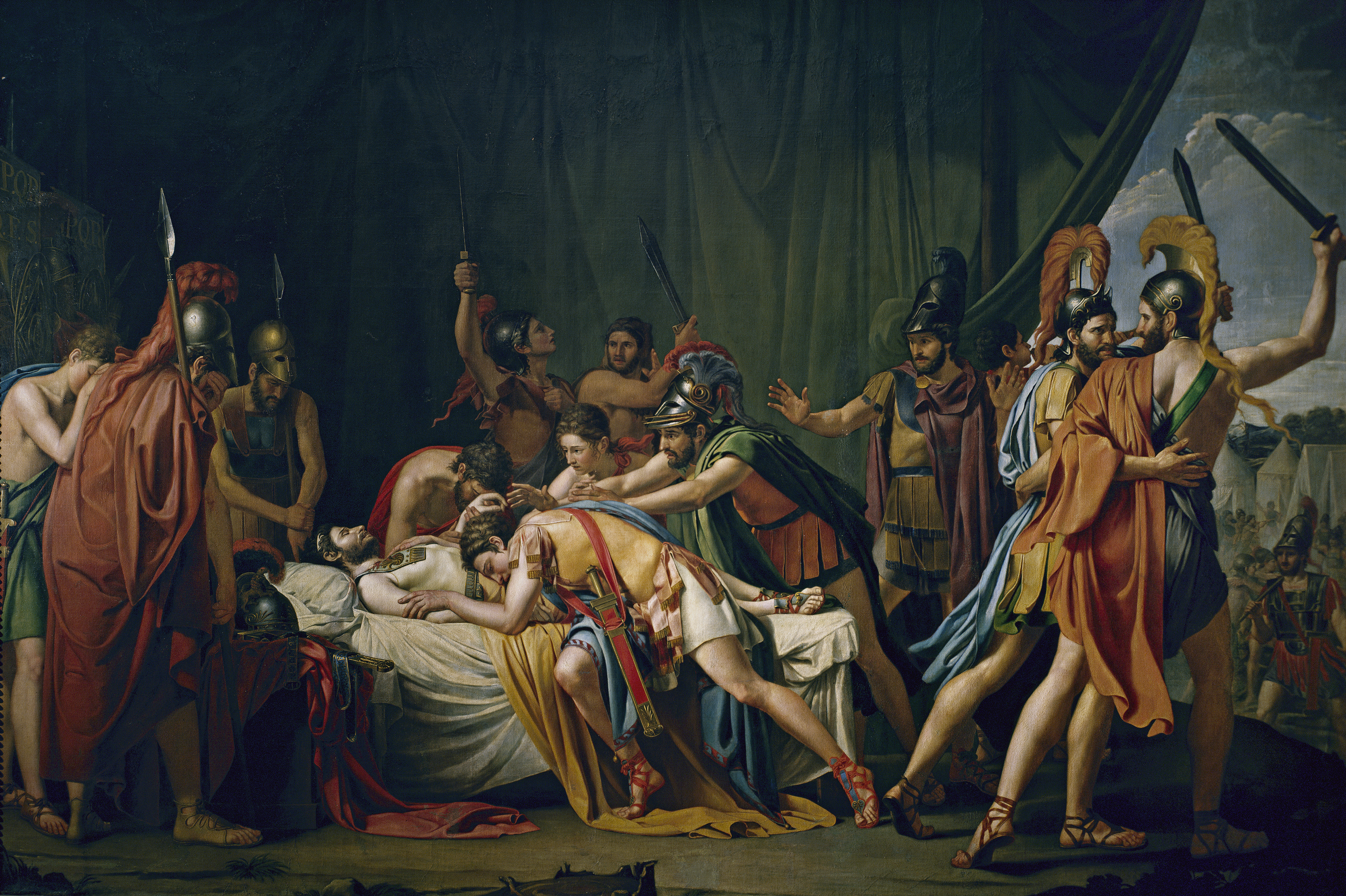
This painting portraying the death of Viriathus shows them nicely
https://upload.wikimedia.org/wikipedia/commons/2/21/Madrazo_Viriatus_HighRes.jpg
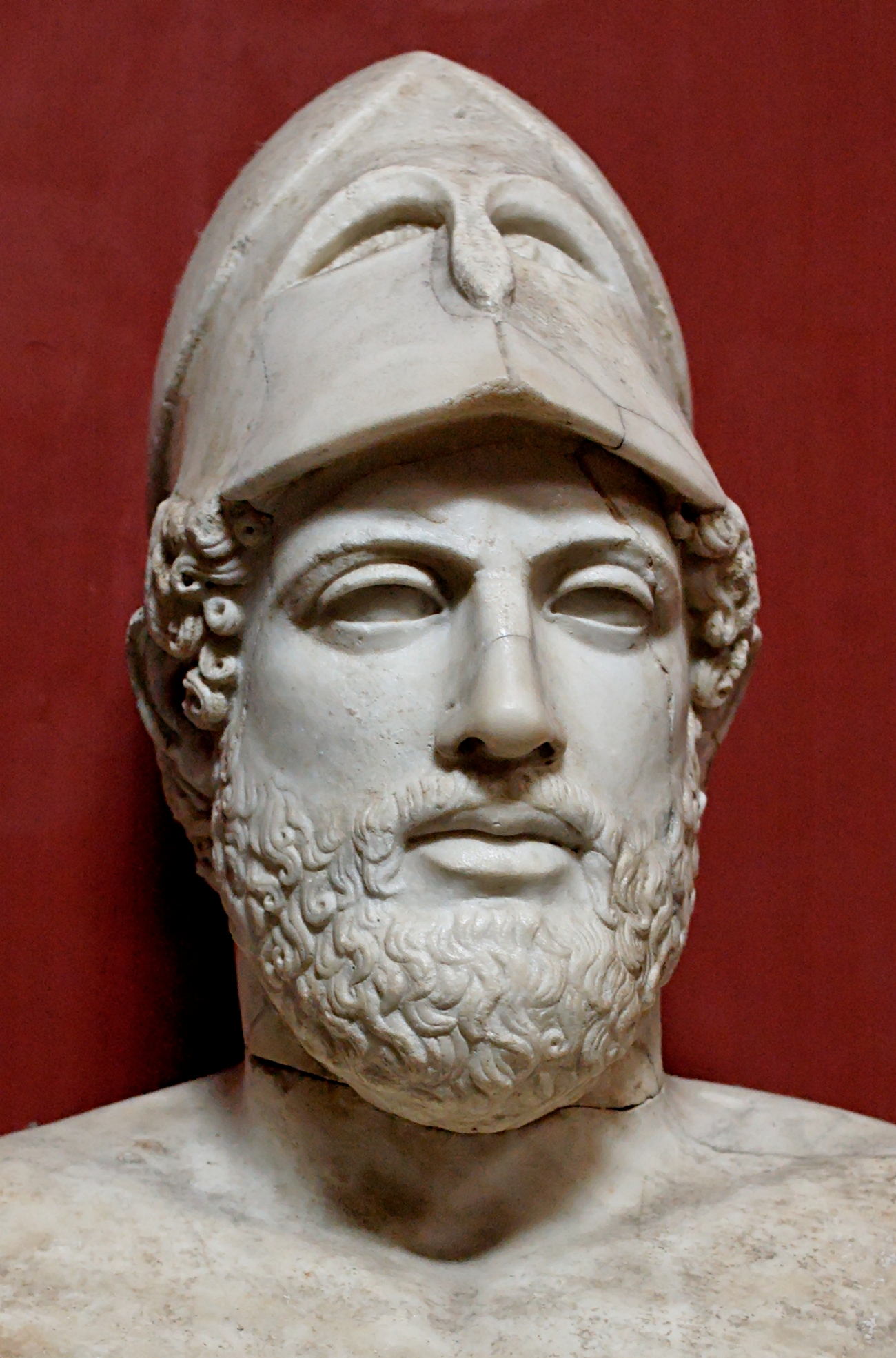
Pericles
https://upload.wikimedia.org/wikipedia/commons/4/4b/Pericles_Pio-Clementino_Inv269_n2.jpg
1 Answers 2016-08-16
I remember reading that in a children's book, but I don't know if I should keep believing it.
1 Answers 2016-08-16
Dear historians of reddit,
Back in the time when slavery was a common thing, people were just slaves or slave owners? Where there any people who are not slaves and don't own slaves? If those people exist, what proportion of the society they were? Where they common or rare?
Many thanks!
1 Answers 2016-08-16
In an episode of HBO's John Adams, John and Abigail reunite in France and engage in spontaneous and passionate sex after being separated for an extended period of time; this seems like a very modern and open attitude regarding sex as I had imagined that sex between husbands and wives during this period would have been much more reserved, proper, and perhaps even prudish. How would the average colonial American couple have viewed sex?
1 Answers 2016-08-16
1 Answers 2016-08-16
It seems remarkable that the Ottoman Empire was able to hold together an empire that encompassed many of the different ethnic and religious groups that are currently in conflict today (such as the Kurds, Sunnis, and Shiites, among others). How did the Ottomans manage to successfully rule such a diverse empire?
2 Answers 2016-08-16
1 Answers 2016-08-16
1 Answers 2016-08-16
I read that old world diseases decreased the population of native Hawaii steeply after European contact, but why would that be? Didn't Polynesians come from the old world (and raise livestock as well)?
1 Answers 2016-08-16
1 Answers 2016-08-16
Question came up while watching the olympics. The only information easily found was a possible origin, nationalist 19th century Europe.
1 Answers 2016-08-16
2 Answers 2016-08-16