2 Answers 2014-11-20
The Romans used a less formal script, known as Roman cursive for daily life, while the Latin script we know now was more formal. How did the Latin script displace Roman cursive as a daily form of writing?
2 Answers 2014-11-20
1 Answers 2014-11-19
1 Answers 2014-11-19
Thanks
3 Answers 2014-11-19
Most of what I remember learning during the handful of history courses I took revolved around European cities. Were there any events that happened on or near US territory?
4 Answers 2014-11-19
1 Answers 2014-11-19
6 Answers 2014-11-19
I'm sure everyone has seen the pictures of elaborately painted WW2 aircraft. Pin up girls, mottos, cartoon characters, shark mouths and the like.
But today, this is no longer a thing, at least in US service. So when did aircraft nose art die, and why?
1 Answers 2014-11-19
I'm pretty sure it was a bunch. Do we have a general idea?
Did it motivate any of them?
1 Answers 2014-11-19
This is one of my ancestors.
I'm just trying to identify the uniform and see if anyone can provide any other information about the photo.
I love the great work you guys do on this subreddit! Thank you!
1 Answers 2014-11-19
The way I understand it, the U.S. mostly fought in South Vietnam to try to saveguard it from reunifying with a communist north. But wouldn't it have been a greater military advantage to attack the north and relieve the south (especially after the Tet offensive where the Viet Cong forces were in a bad shape)?
1 Answers 2014-11-19
I recall a story of a general- whom I do believe was active in the Napoleonic Wars- would maintain readiness in his marching armies by surprising them with attack orders on redundant non-military targets. The point was small towns would be surprised by a sudden pouring of troops over their walls, who had been ordered to do so for no strategic reason. I cannot remember who this General was, but Carl von Clausewitz is my best guess. Help me out?
1 Answers 2014-11-19
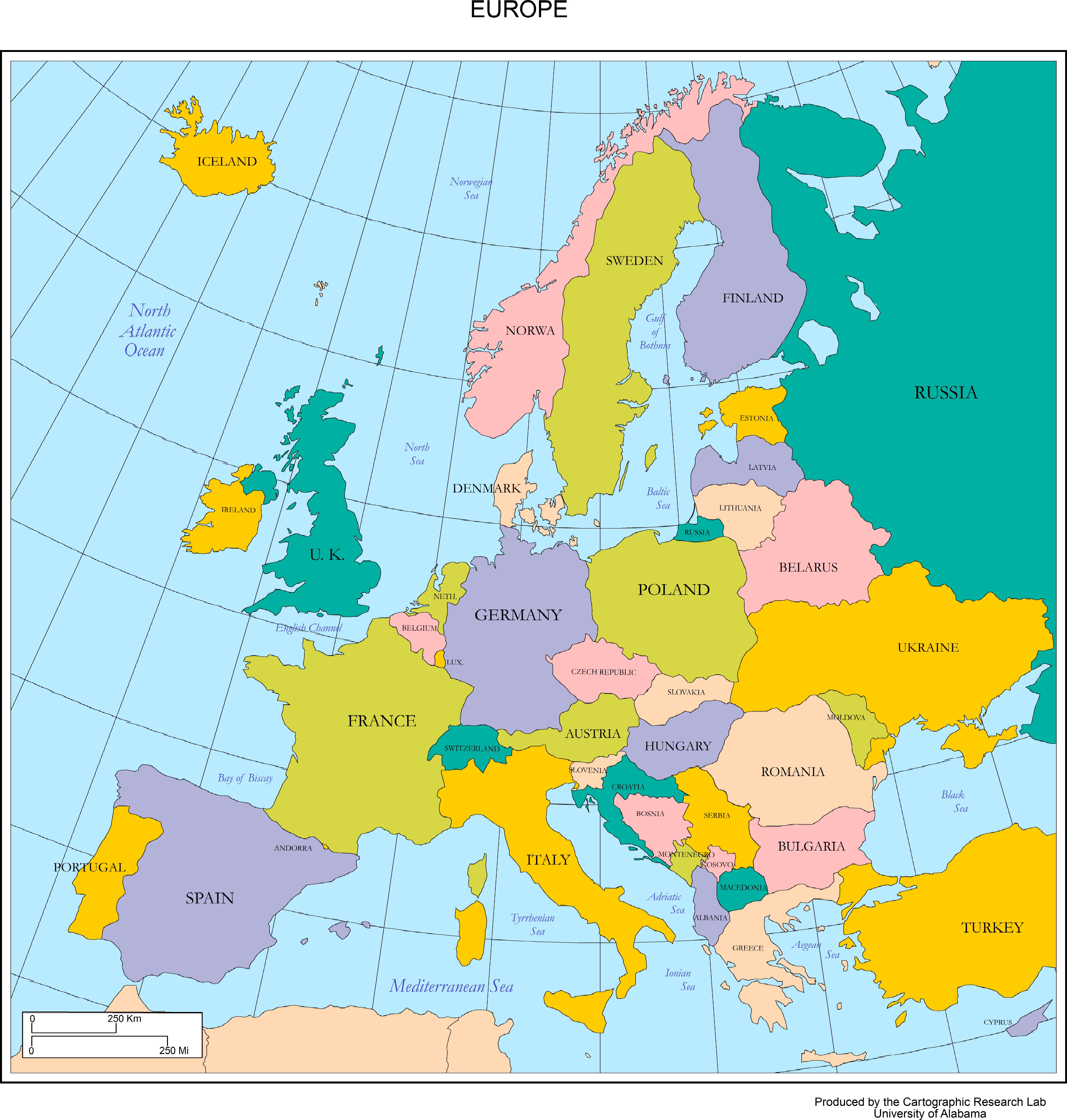
Here is a map for reference.
1 Answers 2014-11-19
My question might sound a bit odd, let me explain!
Obviously when Europeans colonised the Americas, a huge proportion of the indigenous population was wiped out through disease and war - but as we can see today, despite the European military advantage, there are still first nations groups and the descendants of people at the time.
I was wondering why these groups are still around? I can't think of a less weird way of putting it.
I presume the answer is going to be "it depends on which first nation polity you're talking about"!
(*I realise this term is anachronistic, but you know what I mean.)
1 Answers 2014-11-19
I'm talking about its development post-Carolingians and I suppose after its independence from the Holy Roman Empire.
2 Answers 2014-11-19
Zhenotdel being the department for women's rights in the USSR during the 1920s
1 Answers 2014-11-19
1 Answers 2014-11-19
1 Answers 2014-11-19
I'm working on a graduate cognate and central to the work is going to be police records (some of which may have been destroyed about 15 years ago) and an attorney general's report that is hosted on their archives site, but not in full. What is the proper etiquette when attempting to go through these channels to get at information? Do i declare myself as a history graduate student or not? Do i give them any information about why I might need these documents?
Anyone who has dealt with anything like this, please give me a bit of advice.
1 Answers 2014-11-19