http://www.economist.com/news/books-and-arts/21572175-new-show-asks-why-16th-century-european-artists-were-fascinated-africans-hue-were# Edit: I am referring to black africans, how many were free vs slave. Also , how much of a promblem was racism for free blacks.
2 Answers 2015-02-14
1 Answers 2015-02-14
I know of ibn battua book, and Periplus of the Erythraean Sea.Are there any others that histroins use as primary sources for undercover regions.
5 Answers 2015-02-14
Towards the end of this video Karen Straughan makes some claims I have never heard before but can't find any quality sources to either support or refute.
To summarize her points she says that
Suffragettes were a distinctively separate group of the suffragist movement which was resented by the suffrage movement at large
Politicians in the UK would have given women the vote regardless of whether the suffrage movement was active. "I absolutely know that with or without the suffragettes the franchise would have expanded."
women didn't want the vote because it would they were afraid that it would press them into the draft.
Women were key in the abolitionist and prohibitionist movements in America. They could protest to make their voices heard.
The right to vote is tied to the draft for men, but women can vote just because they can.
Is any of this grounded in fact. I know that her point about women's role in the abolitionist and prohibitionist movements certainly rings true.
2 Answers 2015-02-14
2 Answers 2015-02-14
Due to the last few years, it has become apparent that the History Channel isn't what it describes itself to be. So I ask; how credible is the most recent "Gettysburg" documentary currently on Netflix compared to the Ken Burns PBS Civil War series?
I ask this as a UK resident interested in the Civil War after my granddad recommended the (what I would say) wonderfully written historical novel "Killer's Angels" by Michael Shaara; which I'm assuming was written in the fictitious way as Simon Scarrow's "Fields of Death"
Before I get too in depth into the subject, I'd like to make sure I'm at least on the right tracks in delving into this subject; and if not, could somebody point me in the right direction?
2 Answers 2015-02-14
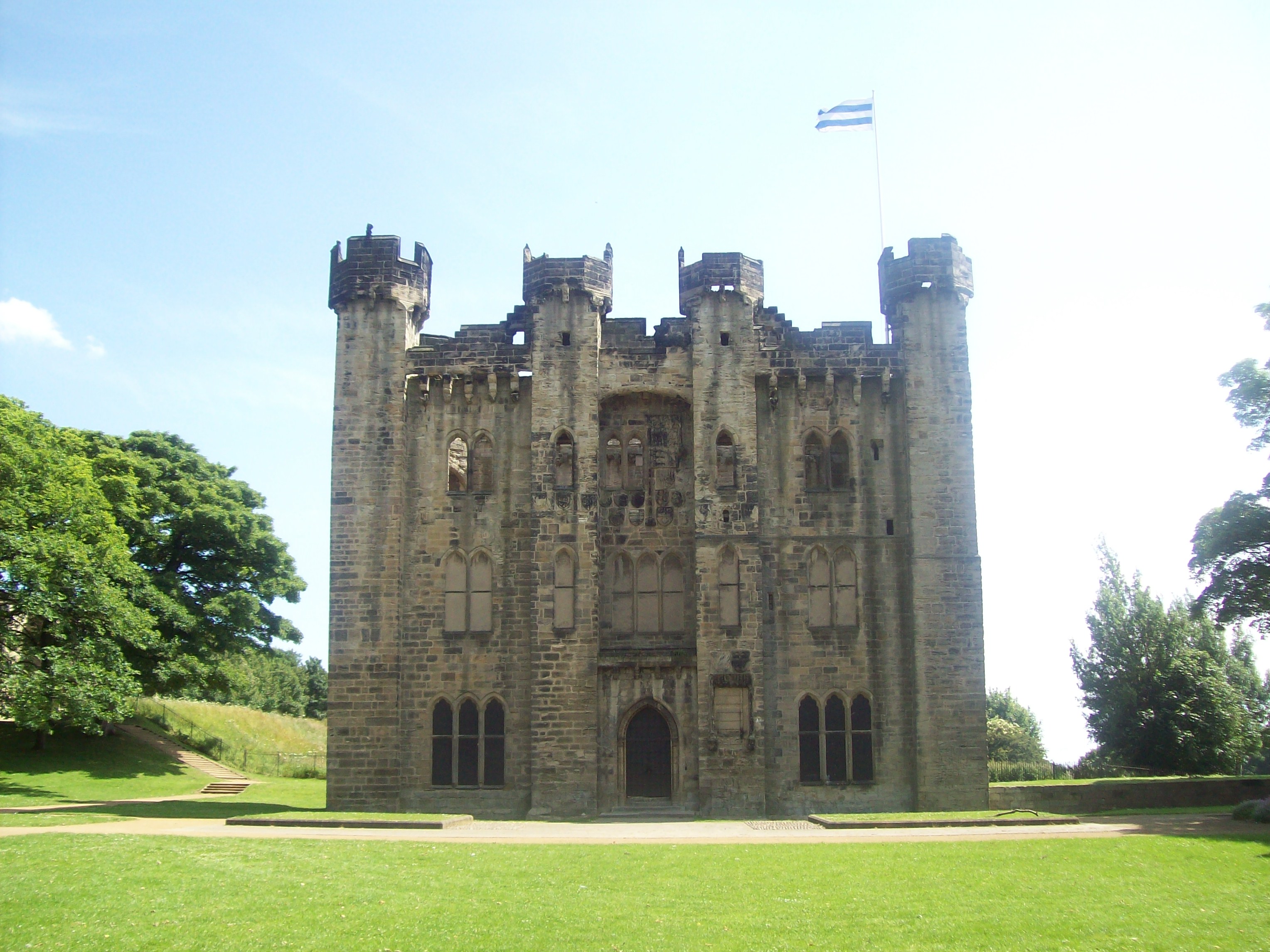
I saw this photo of Hylton Castle and got to wondering...when this castle was in its prime, was the grass closer to that in the foreground or in the background?
At the moment, lawns look nice and keep insects away, but how were they kept during the 800-1200s? Was there so much commotion that horses would just trample the grass to a dirt lawn? Or would the be more like a swept dirt lawn, which seems easiest?
I suppose this would somewhat be determined by whether the building was ceremonial or militaristic in nature, but I'm interested in what's currently known. Any thoughts?
Thanks!
1 Answers 2015-02-14
Sorry if this is the wrong sub it just seems like a question I would want to ask a historian
2 Answers 2015-02-14
I've read a few times that the freedom fighters in SE europe were amazing. I'm not too sure who exactly they were fighting (I assume they're referring to Germany, maybe Italy or Soviets later in the war) so clarification of the parties involved would be helpful.
I had previously asked a question about guerrillas in West Europe -- apparently they didn't have effective guerrilla armies. How come this area had good freedom fighters, but W europe didnt?
1 Answers 2015-02-14
1 Answers 2015-02-14
Also, what was the primary religion? I'm assuming Christianity or Zoroastrianism.
1 Answers 2015-02-14
1 Answers 2015-02-14
Here are some pictures. There are some pins that came with it. http://imgur.com/a/DGIsx
2 Answers 2015-02-14
I know there are plenty of conflicts and propaganda designed to make the enemy appear evil. But typically, wars are in a very gray area. Everyone agrees it's awful, horrendous, etc. But typically, there are numerous and multiple sides to the conflict and that's why it's gray. Because each side has an agenda, has a motive, has an ideal -- that it's fighting for that others in the world may side with.
But it seems that pretty much the entire world at the time as well as moving forward went "yeahhhh no, Hitler is very clearly evil." It never seemed as straight forward as it did with this particular war. The Japanese side of things is muddier -- not everyone viewed them as evil in the same way they did Hitler and there's still some controversy over the bombings of Hiroshima and Nagasaki afaik.
So is this just a skewed interpretation? Was it far grayer than it's usually implied? Even if more morally gray and less universal, is it the war most people at once agreed there was one group that needed to be stopped? And lastly, were there any other wars that rival that level of gray-ness?
1 Answers 2015-02-14
Like when you hear a recording of yourself and you think it sounds nothing like you because you hear your voice differently. Did people think the recording device had a flaw when they didn't take into account this?
Someone said to post here, so here I am! (also sorry for poor wording)
3 Answers 2015-02-14
Any time in which you have some information would be good. From my readings, I've been able to come up with a general idea that they were rather spartan, but generally adequate, but any further illumination would be great.
2 Answers 2015-02-14
2 Answers 2015-02-14
i know Hitler revitalized Germanys economy after WWI, but were conditions so good that citizens turned a blind eye to concentration camps? or did they genuinely believe that the jewish population was responsible for their economic hardships? or were they just afraid to disagree for fear of being prosecuted themselves?
3 Answers 2015-02-14
Article 27 of the Mexican Constitution prohibits foreigners from owning certain types of property:
Under no circumstances may foreigners acquire direct ownership of lands or waters within a zone of one hundred kilometers along the frontiers and of fifty kilometers along the shores of the country.
http://www.latinamericanstudies.org/mexico/1917-Constitution.htm
What were the contributing factors for including this particular clause in Article 27?
1 Answers 2015-02-14
I'm doing a major work on the KKK and i'm curious to hear some opinions on if they originally had other motives or if contextually, they weren't racist during the time etc.
1 Answers 2015-02-14
I was reading the Wikipedia article about it and it states that it was basically forgotten about until the 1980's when a college student wrote a paper about it. What happened to make it fall off the radar?
1 Answers 2015-02-13
1 Answers 2015-02-13